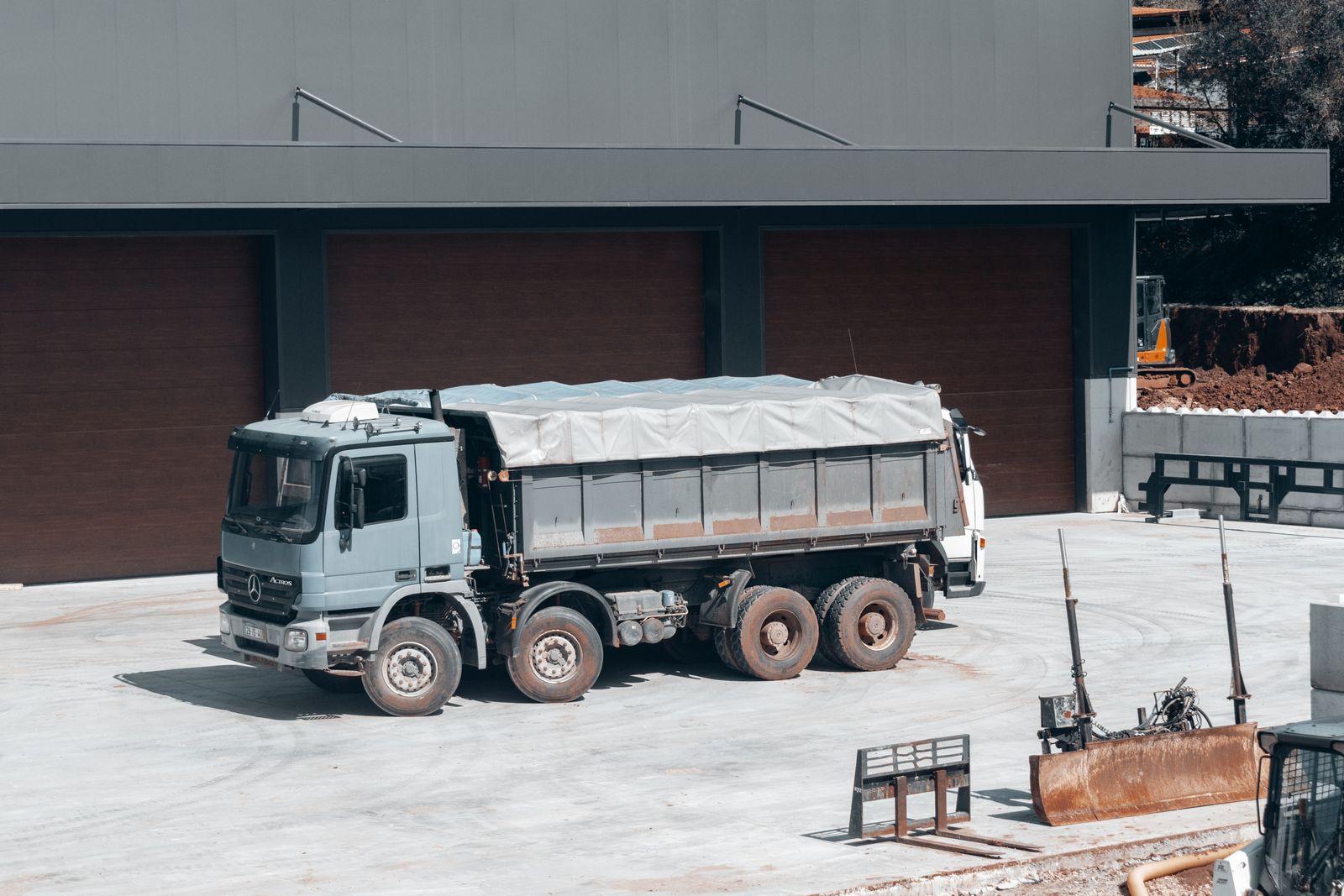
Construction Season Trailer Strategy: Timing Purchases and Financing
6 min readIllustrative guidance—not an offer
Construction freight breathes with the calendar. Mud season slows hauling, paving windows compress work into a few months, and municipal budgets release money on a schedule that has nothing to do with when a dealer runs a promotion. Trailer financing that ignores those rhythms sets contractors up for optimism in spring and stress in winter. Strategic buyers time their purchases, down payments, and note structures to when the equipment will actually bill hours, and they choose trailer types that serve more than one kind of work. The sections below explain how to build that plan.
How seasonal revenue shapes the payment
In much of the country, construction activity peaks from late spring through early fall. Earthwork, paving, and site preparation depend on dry ground and warm temperatures, and contractors try to finish as much as possible before winter. Revenue in these months can be several times the winter figure. A trailer payment due every month, however, does not change.
The simplest protection is to size the payment against the average of the slowest three months, not the busiest. If that figure is too low to carry the payment, either reduce the trailer's price, increase the down payment, or lengthen the term. Another option is to arrange for a larger share of the year's income to be set aside in a reserve during the peak.
Some contractors also add off-season work to smooth the curve: snow hauling, winter material delivery, or work in warmer regions. If your plan includes such work, document it with contracts or customer letters.
Trailer types tied to construction niches
Flatbeds and step decks carry steel, pipe, block, and equipment. Lowboys move excavators, dozers, and other heavy machinery. End dumps and bottom dumps haul aggregate, asphalt, and fill. Each has its own seasonal pattern and its own customer base.
Think about versatility. A flatbed can haul materials in summer and general freight in winter, giving it a broader revenue base. A dump trailer is more tied to site work, though it can also haul bulk materials for landscaping and agricultural customers. A lowboy has higher revenue per move but fewer moves, and demand depends on equipment relocation cycles.
When deciding what to buy, estimate the number of billable days per year for each option. A trailer that works two hundred days beats one that works one hundred, even if its daily rate is lower.
Timing the used market
Used trailer prices follow demand. Prices often firm up in spring as buyers return and soften in late fall and winter when sellers want to clear inventory. Buying in the off-season can save money, but you then carry a payment during months when the trailer is idle.
One approach is to buy in late winter, take delivery, and begin work as the ground opens. Another is to negotiate a first payment deferred by a month or two, if the lender offers such terms. Ask the seller and lender about the options. A modest delay can align the first payment with the first revenue.
Pay attention to year-end tax planning, which sometimes pushes buyers into the market in the final quarter. Talk with a tax professional about how and when equipment purchases affect your return, and do not let a deadline override sound cash planning.
Contract backlog as underwriting support
A signed contract or award letter gives a lender something concrete to read. A municipal paving contract, a school construction subcontract, or a multi-month hauling agreement shows that demand exists. It also helps you decide how many trailers you can responsibly finance.
Include the contract value, term, and your role. Show the portion of the work the trailer will perform and how you will be paid: progress payments, hourly, or by the load. If retainage is withheld, state the percentage and when it is released.
If you do not have a contract yet, show a history of repeat customers and past work. A record of similar jobs is evidence even when the next one has not been signed.
Insurance and bonding intersections
Public work often requires bonding, certificates of insurance, and specific coverage limits. Those requirements apply to your trailer operation as well as your general business. Confirm before purchase that your insurance covers the trailer type and that any customer-required endorsements can be added.
Bonding capacity and equipment debt interact. A surety may review your balance sheet, including trailer notes, when setting bonding limits. Discuss the plan with your bonding agent before adding significant new debt.
Bridging gaps between draws and payments
Progress payments on construction work often arrive weeks after the work is done. During that gap, payroll, fuel, and equipment payments continue. A line of credit or a cash reserve can bridge the gap, but it costs money or ties up capital.
The cleanest approach is to keep the trailer payment manageable even if a draw is late. If a single late payment from one customer would cause a trailer payment to be missed, the structure has too little margin.
Communicate with the lender if a project is delayed. Many lenders prefer to hear about a delay before the due date and may offer options that a missed payment would not.
Weather, scheduling, and quoting realistically
Weather days are not an exception in construction; they are part of the plan. Quote work with weather in mind, and build revenue assumptions with fewer billable days than the calendar suggests. A month with ten rain days is not a surprise in many regions.
Use past years as a guide. If your records show an average of fifteen billable days per month between April and October and six between November and March, use those numbers. Optimism makes for appealing spreadsheets and poor loan structures.
Build a simple monthly table with expected billable days, revenue, and costs for the trailer, then place the payment against the weakest months. If the table shows a shortfall, fix it on paper first by adjusting the down payment, the term, or the unit you choose, and keep the table in the file for the lender to read.
Partnering with material suppliers and general contractors
Relationships can smooth a seasonal business. Aggregate suppliers, ready-mix plants, and general contractors often need reliable haulers and may offer steady work to carriers who show up consistently. A supplier who knows you will take loads in slow weeks may route more to you in busy ones.
When you approach a lender, a letter from a supplier or contractor confirming ongoing work is useful evidence. It does not need to be a formal contract; a short statement of the relationship, expected volume, and payment terms helps.
Be careful about concentration. A trailer that depends on one customer is vulnerable if that customer changes vendors or loses a project. Show how you would redeploy the equipment if the work stopped.
Equipment timing versus crew timing
A trailer without a qualified driver is idle. If you plan to buy ahead of the season, line up drivers early, confirm their licenses and endorsements, and make sure your insurance carrier will cover them. Hiring is often the true bottleneck in spring.
Also consider the tractor. If the trailer is arriving before the power unit is ready, the payment starts while the equipment sits. Coordinate delivery dates for every piece so the combination goes to work together.
Putting the file together with Trailer Financing
Begin with an inquiry that names the trailer type, price, seller, and the work it will serve, and include any contract or award letters. There is no credit check to inquire. TrailerFinancing.org considers credit from 500 to 800+ FICO with amounts from $10,000 to $1,000,000 or more. Tell us your slowest months and we will help you structure around them.
Load manifest · NO. ARTICLE-CONS
Sign carrier quote request
No credit check to inquire. Opens in a new tab.
Start inquiryRelated guides
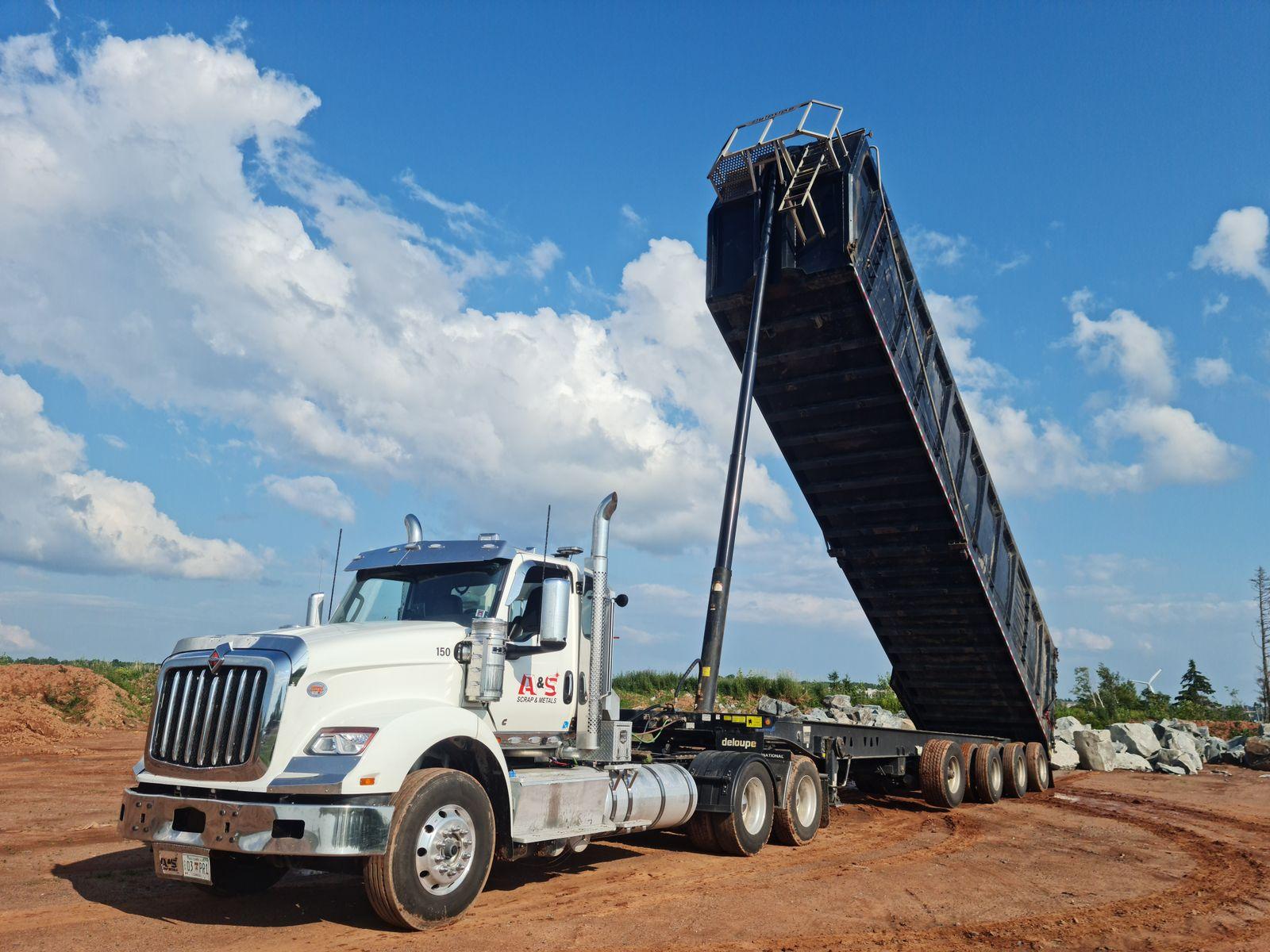
Dump Trailer Financing for Contractors: Job-Site Cash Flow and Collateral
Finance dump, belly-dump, and end-dump trailers for construction and hauling. Trailer Financing structures deals from $10k to $1M+. No credit check to inquire.
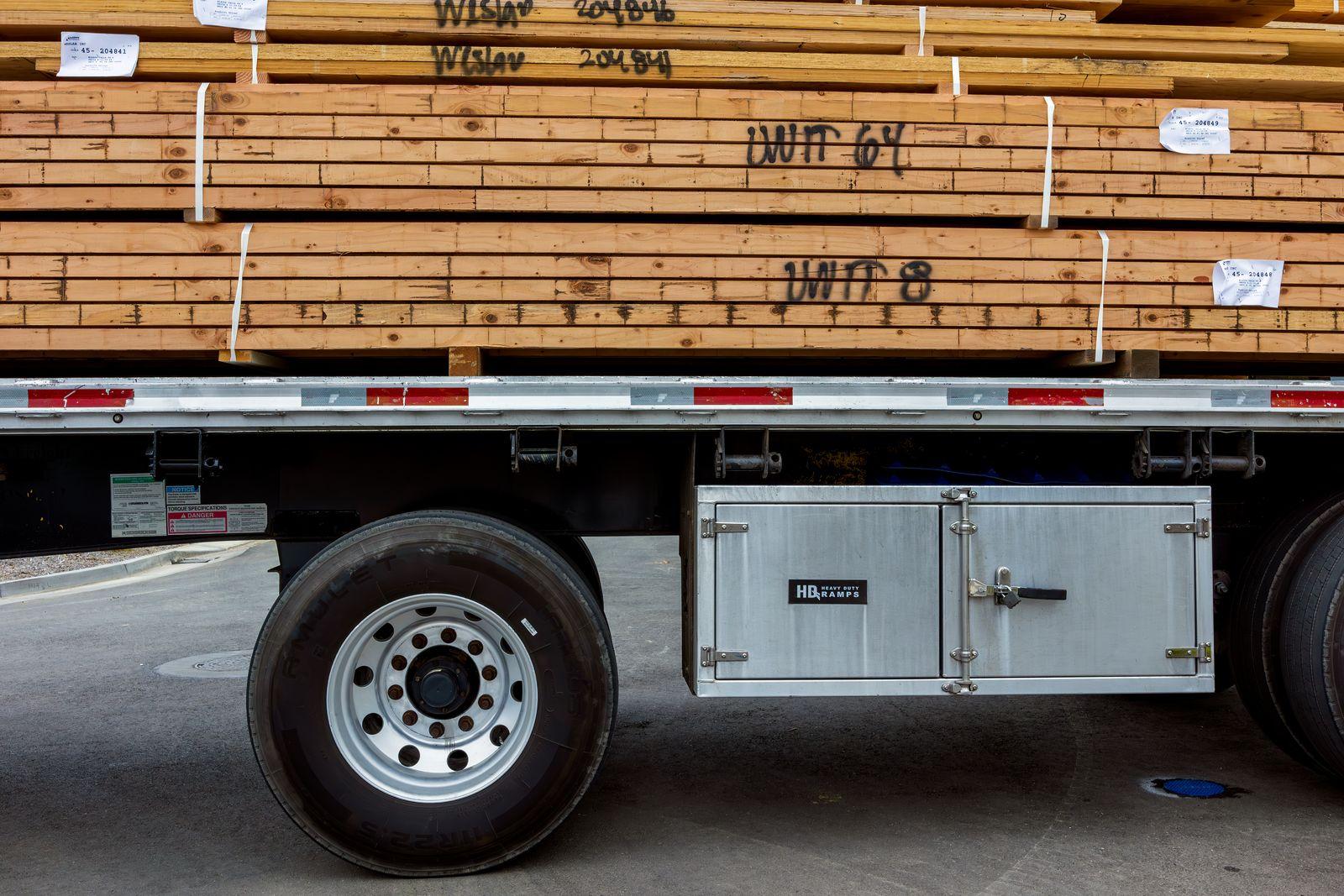
Dry Van or Flatbed for Your First Trailer? A Financing Decision Framework
Choose between dry van and flatbed trailer financing with clear cash-flow math. Trailer Financing helps first-time buyers from $10k to $1M+. No credit check to inquire.
Fleet Trailer Financing: Staggered Renewals and Batch Purchases
Plan fleet trailer renewals without stacking debt service. Batch financing from $10k to $1M+. Trailer Financing helps carriers stagger terms. No credit check to inquire.