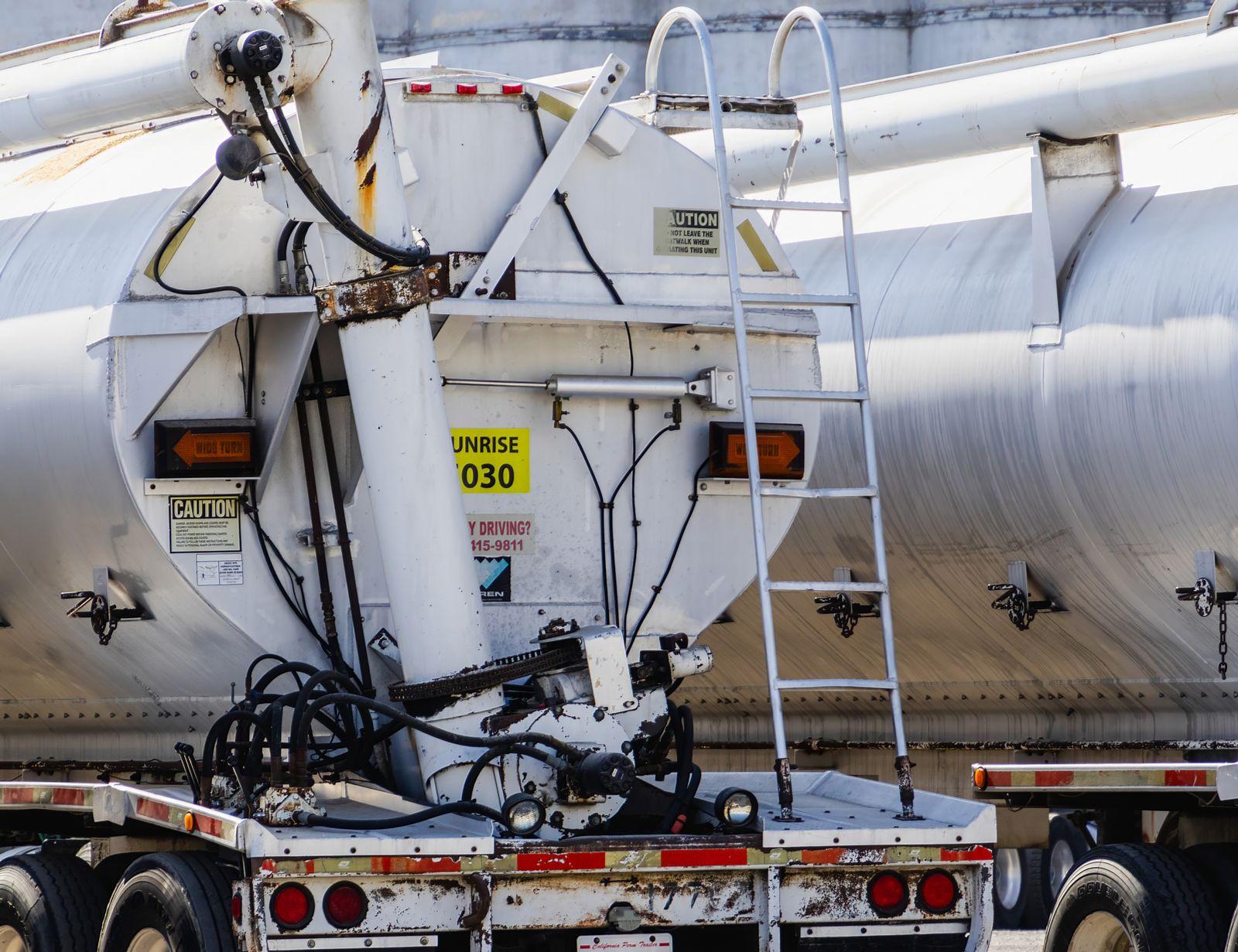
Tanker and Pneumatic Trailer Financing: Compliance, Cleanouts, and Terms
7 min readIllustrative guidance—not an offer
Tanker and pneumatic trailers serve narrow markets: liquid chemicals, fuels, food-grade liquids, cement, flour, plastic pellets, fertilizer, and other bulk commodities that cannot ride in a van. Residue, cleaning, and permit history affect both safety and collateral value, which makes the paper trail unusually important. Financing is straightforward when product classes, tank material, and test records are clear. When they are not, approvals slow and advance rates fall. This article outlines what lenders review on tank and pneumatic deals so you can prepare a file that matches the way inspectors and shippers already judge your equipment.
Product class and tank history
The first question is what the trailer has hauled and what it will haul. A stainless tank that has carried food-grade liquids may be a poor fit for chemicals, and the reverse is true as well. A carbon steel tank that hauled petroleum products has different cleaning and compatibility rules than one that hauled caustics. Lenders ask for the product history because it affects remarketing: a narrow-use tank has a narrower buyer pool.
Specifications also matter. Cargo tanks in the United States are built to federal specifications, with designations such as DOT 406, 407, and 412 describing pressure ratings and use. The specification plate on the trailer tells you what the tank is rated for and when it was built. A pneumatic dry-bulk trailer does not follow the same classification, but its pressure vessel, discharge valves, and blower still determine what it can carry.
Ask the seller for a written list of the last several products hauled and the dates. If the seller cannot tell you, assume the worst and price accordingly.
Washout, compliance, and audit trails
Cleanliness is not cosmetic on a tank trailer. Residue from a previous load can contaminate the next one, ruin a shipment, and trigger an expensive claim. Shippers in food and chemical trades often audit carriers for wash records, and those same records tell a lender the equipment has been managed responsibly.
Ask for wash tickets from approved facilities, dated and matched to the trailer. For units hauling regulated materials, the cargo tank must meet periodic inspection and test requirements under federal rules, and the certificates show when the next test is due. A trailer approaching a major test can cost thousands of dollars in short order, which is worth knowing before you buy.
Pneumatic trailers need a different type of attention: blower service, filter condition, hose and valve wear, and pressure relief testing. Ask for the maintenance log and the last inspection report.
- Product history for the last several loads, with dates.
- Wash tickets from the cleaning facility, matched to the trailer serial.
- Test and inspection certificates, with the next due date visible.
- Blower, valve, and hose service records for pneumatic units.
Advance rates and term length
Tank and pneumatic trailers cost more than a dry van, often by a wide margin. A used stainless tanker can exceed $100,000, and a new pneumatic can go well beyond that. Because the market for these units is smaller, lenders are more conservative with advances and may ask for a larger down payment than on a standard van.
As an illustration only, a used stainless tanker priced at $135,000 with 20 percent down leaves $108,000 financed. At an illustrative 9.75 percent over 72 months the payment is near $1,987. A 60-month term at the same rate raises that to about $2,281. Formal terms depend on the formal underwriting and the specific collateral.
A term that matches the next major test or the life of the tank lining protects both sides. If a five-year note will run through a heavy test cycle, build the test cost into your budget from the start.
New builds from manufacturers and upfitters
New tank and pneumatic trailers are usually built to order. That means lead times, deposits, and progress payments that do not fit neatly into standard equipment financing. Ask the builder for a payment schedule and a delivery estimate, and discuss with the lender how funding will be timed.
Customizations such as baffles, heating coils, insulation, valves, and pumps affect cost and resale value. A trailer built for a specific shipper's product may be harder to resell. If the build is customer-driven, a contract or letter of intent from the shipper supports the request.
Verify the builder's warranty terms and what is covered. A tank with a warranty on welds and a separate warranty on valves and pumps is easier to evaluate than one with a vague promise of support.
Used purchases and private sellers
Used tankers often come from carriers consolidating fleets or exiting a product line. Dealers who specialize in tank trailers can provide condition reports and sometimes recertify units before sale. Private sellers vary. A clean title, a documented product history, and a seller who will allow a pre-purchase inspection are the baseline.
Before you commit, have the tank inspected by someone familiar with the type, and ask whether a pressure or leakage test is current. A pneumatic or tank trailer with an overdue test is not necessarily a bad deal, but the price should reflect the cost of bringing it into compliance.
Do not skip the title check. Some tank trailers have changed hands several times, and a lien from an earlier loan may not have been released.
Insurance and lender interests
Insurance for tank and pneumatic operations differs from general freight. Pollution liability, cargo coverage for the specific commodity, and higher liability limits for hazardous materials can apply. Many shippers require certificates before they will tender loads.
The lender will need physical damage coverage naming the lienholder. Ask your agent about the interplay between that coverage and any pollution or environmental endorsement, and get quotes before you finalize the trailer purchase. A policy that excludes the commodity you plan to haul is a problem no payment plan can fix.
Why customer audits and lender questions overlap
Shippers in food, chemical, and fuel trades ask carriers for many of the same records a lender requests: wash tickets, test certificates, maintenance logs, and insurance. Maintaining those records for one purpose serves the other, and carriers who treat the documents as part of operations rather than a financing chore find both processes easier.
If you are bidding on a program that requires specific equipment, mention that in your inquiry. A signed contract or award letter turns the trailer from a speculative purchase into a tool with a known job.
Seasonal and commodity risk on specialty bulk
Bulk and liquid markets follow their own calendars. Agricultural dry bulk surges around planting and harvest. Fuel and heating-oil hauling peaks in colder months. Cement and aggregate-related bulk follow construction cycles. A tank or pneumatic trailer bought into the slow half of a commodity's year needs a payment that works when volume is thin.
Customer concentration matters as well. A trailer serving a single plant is exposed to that plant's shutdowns, turnarounds, and contract renewals. If one customer represents most of your revenue, show the length of the relationship and any written terms. If you have several, show the spread. Either story is acceptable when it is clearly documented.
Also consider what happens if the work disappears. A stainless food-grade tank can be resold to other food haulers, while a lined chemical tank has fewer buyers. Think about the exit before the entry.
Training, endorsements, and who can run the equipment
Hauling certain liquids and gases requires drivers to hold a tank vehicle endorsement, and hazardous materials loads require additional endorsements and training. A trailer that sits unused because nobody on staff is qualified to run it is a payment with no revenue.
Before you buy, confirm that you or your drivers hold the necessary endorsements for the product you plan to haul, and that your insurance carrier approves those drivers. If you are hiring, factor the cost of qualified tank drivers into the revenue model. Lenders reviewing a tank file often ask who will operate the equipment, so have a clear answer ready.
Putting the file together with Trailer Financing
Start with an inquiry listing the trailer type, specification, product history, seller, and price. There is no credit check to inquire. TrailerFinancing.org considers credit from 500 to 800+ FICO with amounts from $10,000 to $1,000,000 or more. Collect wash and test records before formal underwriting so the review can finish without back-and-forth.
Load manifest · NO. ARTICLE-TANK
Sign carrier quote request
No credit check to inquire. Opens in a new tab.
Start inquiryRelated guides
Private-Party Trailer Purchases: Title, Liens, and Funding Timelines
Buy a semi trailer from a private seller without funding surprises. Trailer Financing covers lien searches, state title quirks, and $10k–$1M+ deals. No credit check to inquire.

Lender Photo Checklist for Semi Trailer Financing Approvals
Speed trailer loan approvals with the photo set underwriters expect. Dry vans, reefers, dumps, and tankers—from $10k to $1M+. No credit check to inquire.
Fleet Trailer Financing: Staggered Renewals and Batch Purchases
Plan fleet trailer renewals without stacking debt service. Batch financing from $10k to $1M+. Trailer Financing helps carriers stagger terms. No credit check to inquire.