Dry Van or Flatbed for Your First Trailer? A Financing Decision Framework
7 min readIllustrative guidance—not an offer
Your first trailer is a commitment to a freight niche as much as a piece of equipment. A dry van gives you enclosed cube for general freight, retail networks, and packaged goods, with relatively simple loading and a deep broker market. A flatbed opens steel, lumber, machinery, and construction supplies with higher rates per mile on average but more labor, more securement responsibility, and more weather exposure. Both can be financed. The better first choice is the one that matches the freight you can book in the next ninety days, the tractor you already own, and the payment your cash flow will tolerate.
Freight each trailer type favors
Dry vans haul palletized and boxed freight: retail replenishment, food and beverage in ambient conditions, consumer goods, paper, and automotive parts. Loads are plentiful, loading is usually done by the shipper's dock crew, and drivers rarely touch the freight. The tradeoff is that more carriers can offer the same service, so rates are more competitive and customers expect on-time performance.
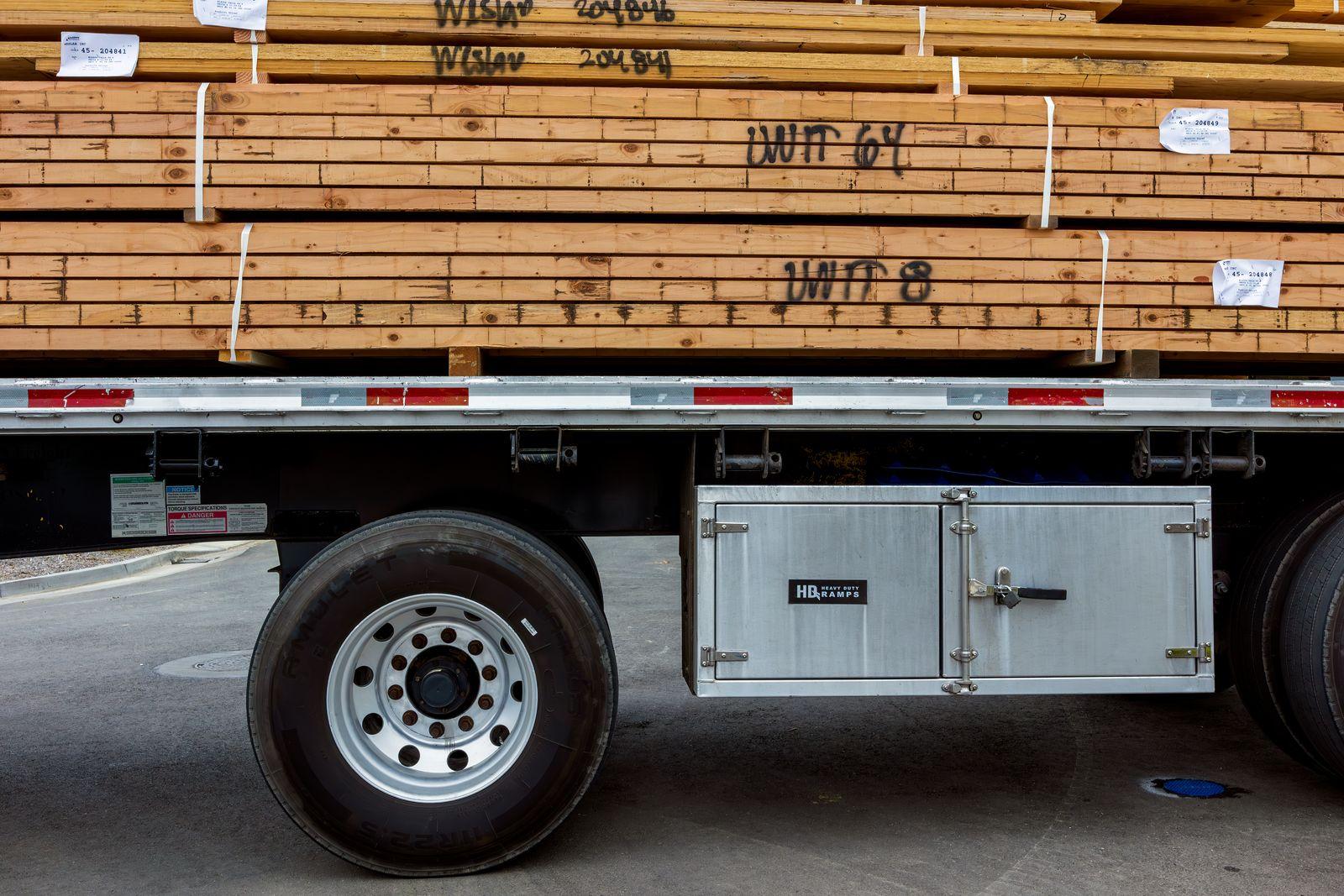
Flatbeds haul what does not fit in a box or should not be loaded through a door: structural steel, pipe, lumber, coils, machinery, prefabricated building components, and equipment. Drivers typically strap, chain, and tarp their own loads. That labor and the securement knowledge it requires act as a barrier, which supports higher rates, but it also means longer days, more injury risk, and gear costs that new owners often underestimate.
Neither choice is permanent. Plenty of carriers start with a dry van, build a broker network, and add a flatbed later. Others start on the deck because their prior employer hauled building materials and they already know the customer base.
All-in cost beyond the sticker price
A used 53-foot dry van is often the lower-cost entry. A comparable flatbed or step deck may cost a similar amount, but the real gap shows up after purchase. A flatbed needs straps, chains, binders, edge protectors, and a tarp system if you intend to haul freight that must be covered. That kit can run from a few thousand dollars for a basic start to considerably more for a full steel and lumber setup.
A dry van needs less outfitting but benefits from load locks, decking, and sometimes a liftgate-free approach that keeps weight down. Tires and brakes are the biggest recurring cost on either type. Check the tire date codes on any trailer you consider, and budget for a full set within the first year if the dates are old.
As an illustration only, a used dry van at $52,000 with 10 percent down leaves $46,800 financed, and at an illustrative 9.5 percent over 60 months the payment is near $983. A used flatbed at $49,000 with 15 percent down leaves $41,650 financed, and at an illustrative 9.25 percent over 60 months the payment is near $870. Add your gear budget and insurance quotes to the flatbed side before comparing.
How lenders view each collateral type
Dry vans are the most liquid trailer in the market. Many buyers want them, parts are common, and condition is easy to judge from photos. That liquidity makes lenders comfortable, and a first-time buyer with a modest down payment often finds the dry van path simpler.
Flatbeds are also liquid but vary more by configuration. Aluminum versus steel decks, spread axle versus tandem, winch tracks, and sliding tarp systems all change value. Lenders look at the deck for rot or bending, the crossmembers for rust, and the suspension for sagging or worn bushings. Clear underside photos are the single best way to speed a flatbed approval.
Because the lender sees a new owner, they also weigh your freight plan. A first-time operator with a signed broker agreement or a prior employer relationship in the same freight type reads as lower risk than one who bought equipment without a plan.
Tractor pairing and weight considerations
The trailer must suit the tractor you have or plan to buy. A day-cab tractor works for local dry van or flatbed, but long-haul work usually calls for a sleeper. Fifth-wheel height, air and electrical connections, and tandem or spread configuration should all match.
Weight is where first-time buyers get caught. Federal rules cap gross vehicle weight at 80,000 pounds on the interstate system, with axle limits below that. A heavier flatbed or a steel-floored trailer leaves less payload. Ask the seller for the empty weight and compare it to your tractor's scaled weight. A few hundred pounds of difference can change which loads you can accept without an overweight risk.
If you are still shopping for the tractor, consider buying the trailer first only when the freight and the power plan are both clear. A trailer parked while you search for a truck is a payment with no revenue.
Lease versus loan for a first trailer
A loan builds equity. When the last payment is made, the trailer is yours free of the lender's lien. A lease can lower the payment and sometimes the entry cost, but you may not own the unit at the end unless the lease includes a purchase option. For a first trailer, the lower monthly outlay of a lease can help early cash flow, but it can also cost more over the life of the contract.
Whichever you choose, read the end-of-term language. A fair-market-value lease leaves the purchase price to be set later. A buyout lease sets a fixed price at the start. Ask what happens if you want to end early and whether there are mileage or condition standards on a trailer that will see hard use.
If you plan to keep the trailer for five or more years, a loan usually makes more sense. If you expect to change freight type within two years, or want to preserve cash, a lease may be worth pricing. Ask a tax professional how each option interacts with depreciation and deductions for your business.
A checklist before you sign
Confirm that you have freight lined up for the first thirty days. Confirm that the trailer matches your tractor in height, coupling, and weight. Confirm that insurance quotes for that trailer type fit your budget, because flatbed and dry van premiums can differ. Confirm that the seller has clear title and can deliver on a date that works with your funding.
Then check the physical condition: tires with readable date codes, brake lining thickness, floor or deck soundness, lights working, landing gear operating smoothly, and a current annual inspection. Walk the trailer with a mechanic if you can. An hour of inspection time costs far less than a surprise brake job in the first month.
- Freight lined up for the first month, with at least one named customer or broker.
- Tractor compatibility confirmed for coupling, height, and weight.
- Insurance quotes in hand for the specific trailer type.
- Clear title and a delivery date that matches funding.
- Inspection of tires, brakes, floor or deck, lights, and landing gear.
Broker and shipper signals to watch
Look at who is tendering freight and how they pay. Brokers that pay on net thirty terms will stress a new carrier's cash flow more than those offering quick pay. Direct shippers may pay slower but offer steadier volume. Whatever the mix, your payment is due monthly regardless of when the customer pays you.
Pay attention to repeat lanes. If the same broker sends the same lane weekly, that pattern is evidence of demand you can show a lender. Keep settlement statements and rate confirmations in a folder.
Operating cost after the note is signed
Once the trailer is financed, the payment is only one line. Add insurance, plates and permits, tires, brake maintenance, and the cost of keeping the trailer legal with an annual inspection. A dry van typically has lower upkeep than a flatbed because there is less gear to replace, but both need regular attention to tires and brakes.
Make a simple monthly budget before you buy. Include the payment, insurance, a maintenance reserve, and a small buffer for surprises. If the sum looks uncomfortable against your realistic revenue, adjust the plan before you sign rather than after the first slow month.
Putting the file together with Trailer Financing
Begin with an inquiry that names the trailer type, the approximate price, and the first lane or customer. There is no credit check to inquire, and TrailerFinancing.org considers credit from 500 to 800+ FICO with amounts from $10,000 to $1,000,000 or more. Compare a dry van scenario and a flatbed scenario side by side, then move to formal underwriting for the one that fits.
Load manifest · NO. ARTICLE-DRY-
Sign carrier quote request
No credit check to inquire. Opens in a new tab.
Start inquiryRelated guides
Reefer Trailer Financing: Terms, Thermo Hours, and Carrier Cash Flow
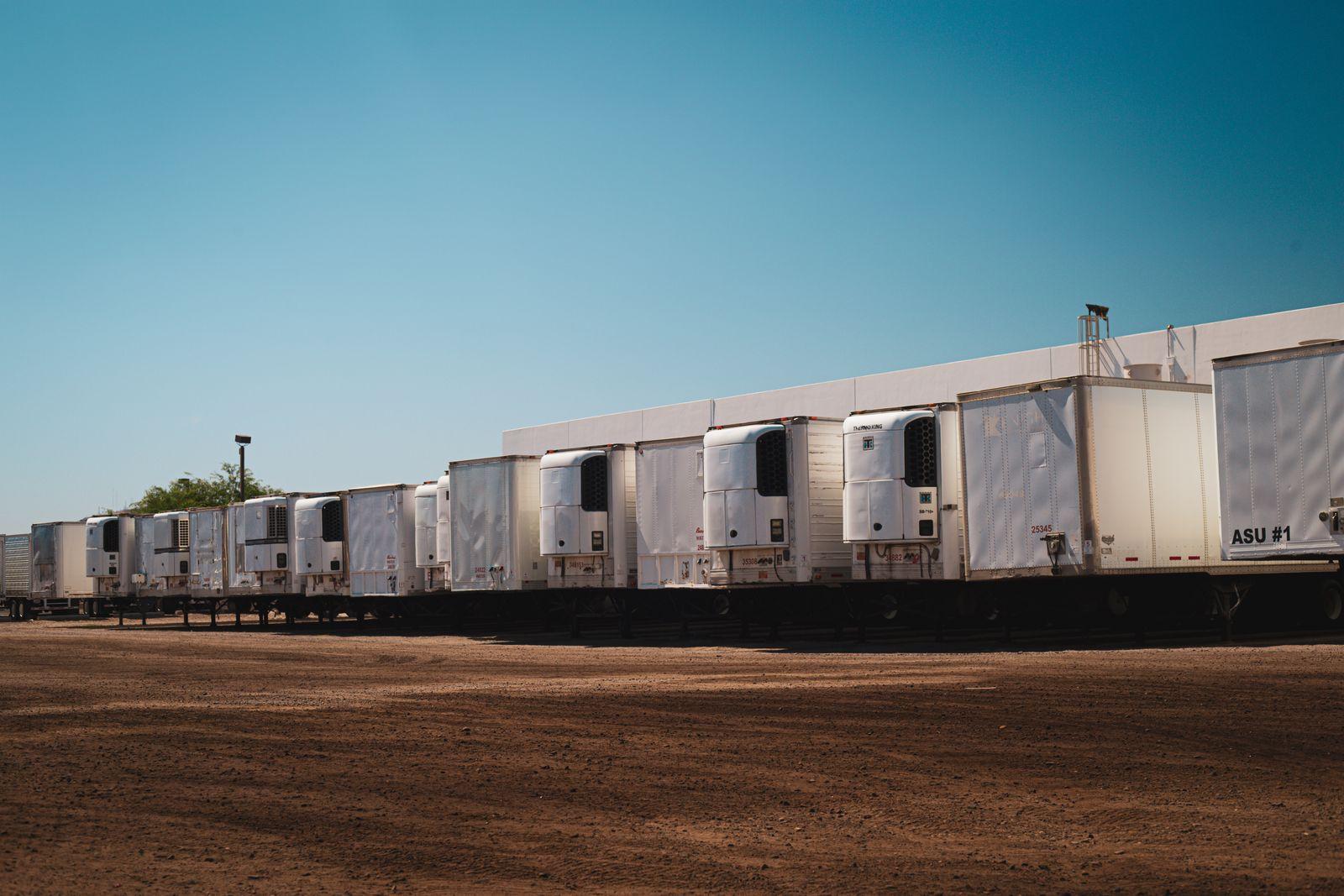
Finance temperature-controlled trailers from $10k to $1M+. Trailer Financing covers reefer collateral, unit hours, and advance rates. No credit check to inquire. Credit from 500 to 800+ FICO.
Construction Season Trailer Strategy: Timing Purchases and Financing
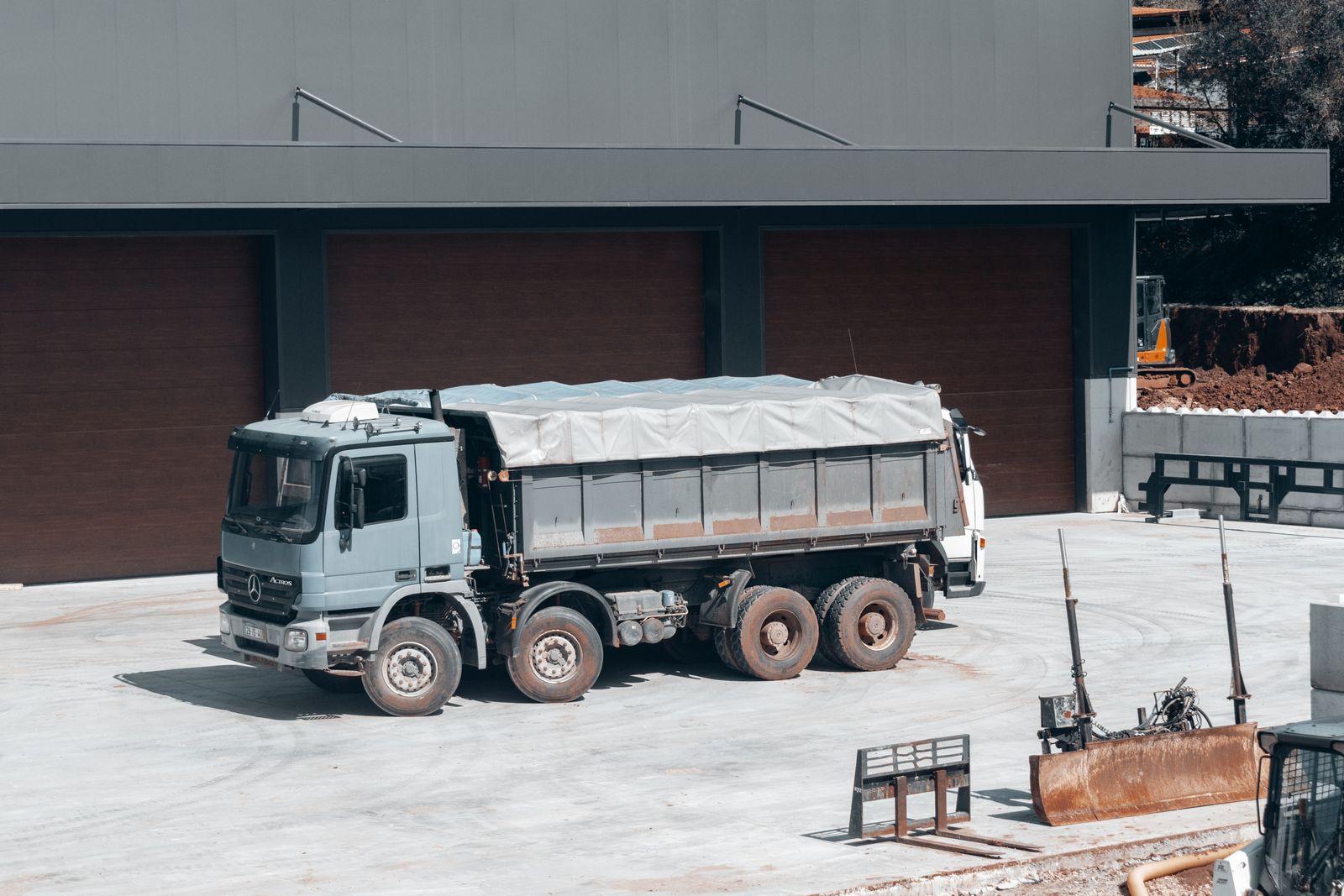
Align dump, flatbed, and lowboy trailer financing with construction season cash flow. $10k–$1M+. No credit check to inquire.
High-Mileage Trailer: Equipment Loan vs. Lease Structures
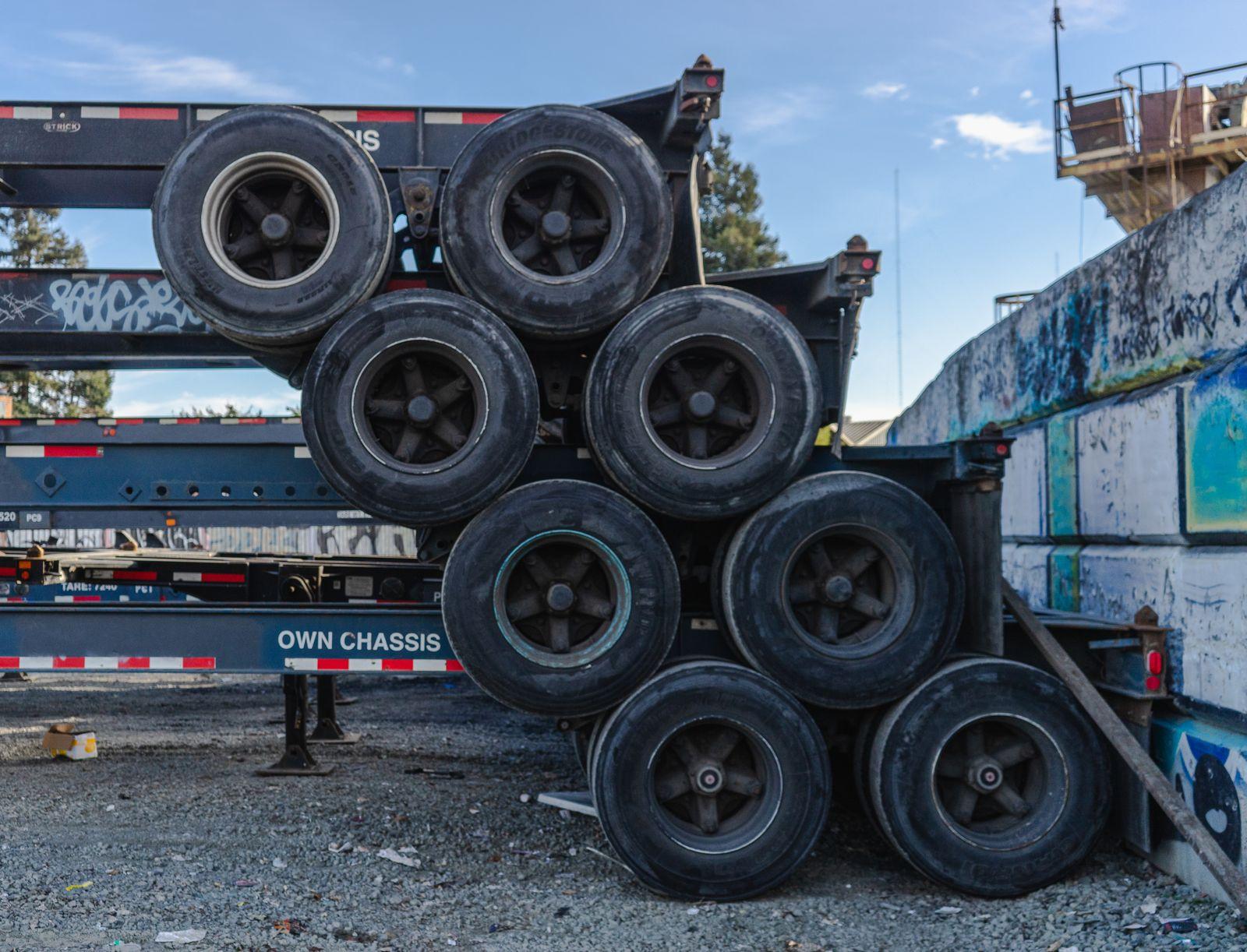
Compare loans and leases on older semi trailers. Trailer Financing explains advance rates, return conditions, and $10k–$1M+ options. No credit check to inquire.