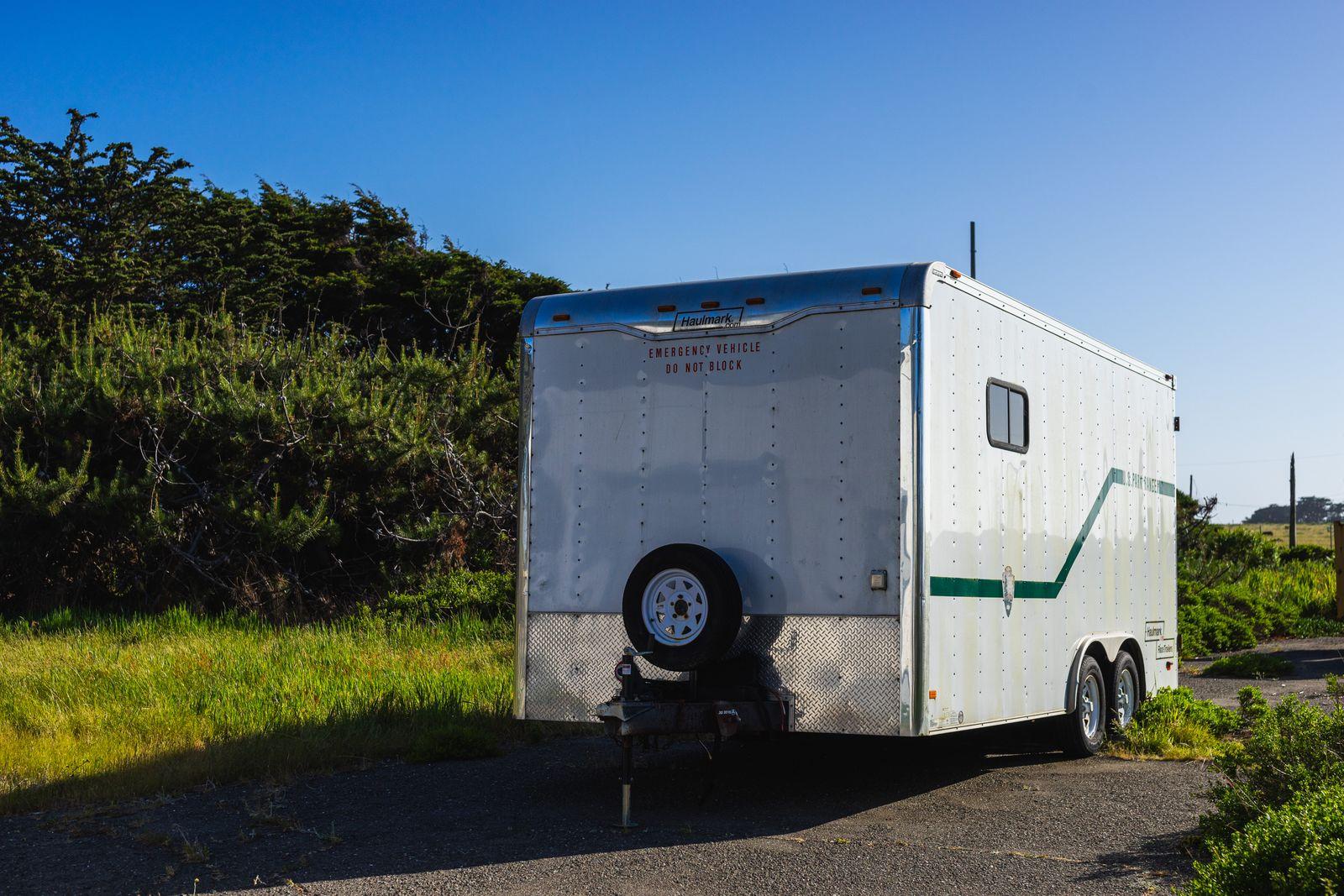
trailer financing
Trailer financing for every load type
14 min read · 10 FAQs
A tractor gets the attention, but the trailer is where freight is actually earned. Cube, temperature control, deck length, tub capacity, and tank rating decide which loads you can accept, which brokers will tender to you, and which rate sheets apply. TrailerFinancing.org helps carriers, owner-operators, contractors, and small businesses structure equipment financing on semi trailers and work trailers alike, from a single used 53-foot dry van or a gooseneck hauler up to a multi-unit order for a growing fleet. Programs run from $10,000 to $1,000,000 or more when the file supports it. With no credit check to inquire, you can compare structures against real seller quotes, and step into formal underwriting only after the trailer, the freight behind it, and the monthly payment all agree with each other.
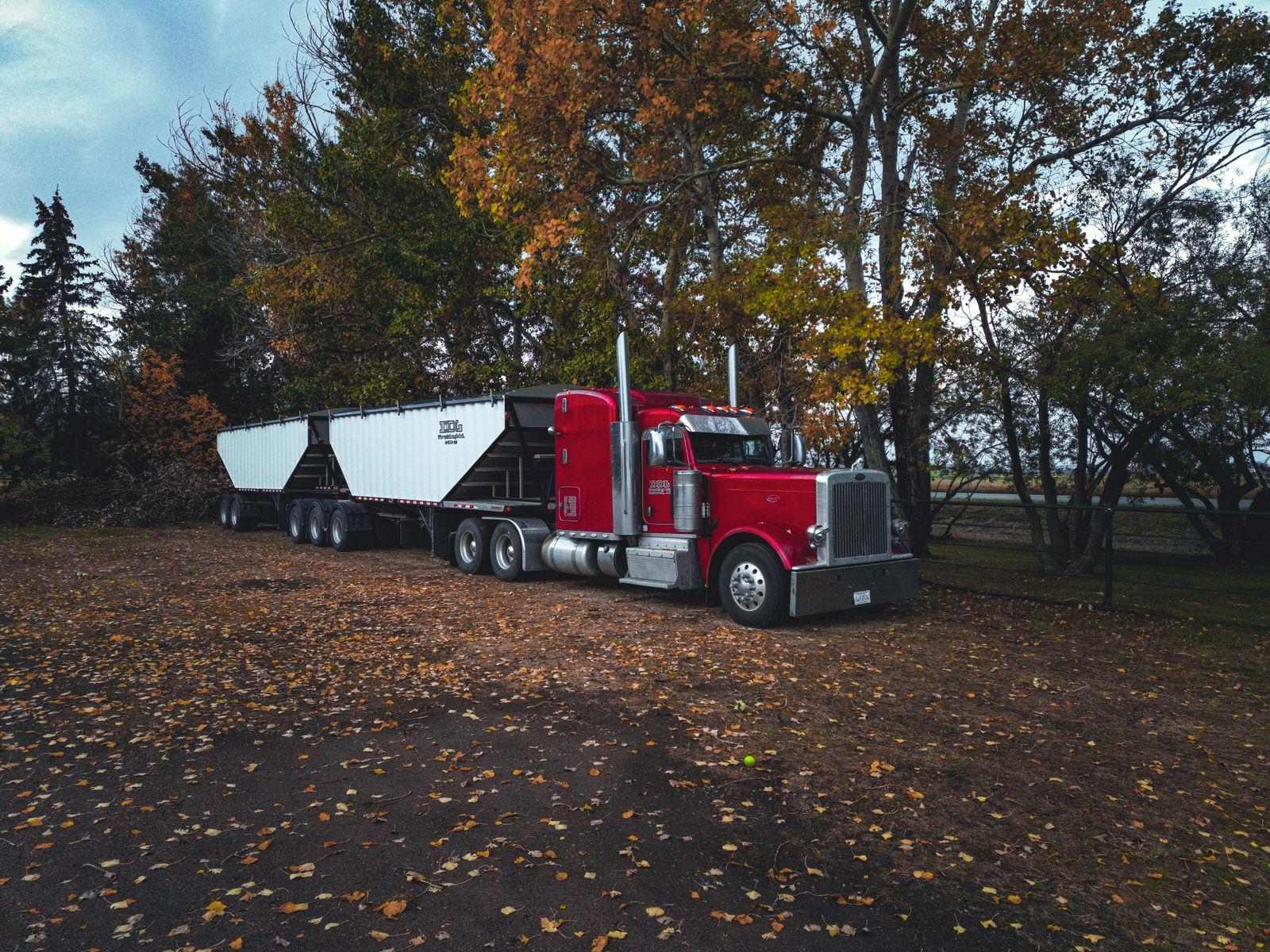
Trailers we help finance
The program covers semi trailers that haul revenue freight: dry vans, refrigerated vans, flatbeds and step decks, lowboys, end dumps and bottom dumps, liquid tankers, and pneumatic dry-bulk units, along with the work trailers that businesses title and insure for commercial use: gooseneck haulers, enclosed cargo trailers, heavy-duty utility trailers, and concession units. New units from an OEM or dealer, used units from dealers and auctions, and clean private-party purchases are all workable when the title chain and condition evidence are solid. A single trailer is a normal request. So is a batch of five that will roll onto a new dedicated contract.
What matters to a lender is not the category name but the resale story. A dry van with a sound floor, good roof, working doors, and current inspection decals has a wide pool of future buyers, so it tends to carry the simplest structure. A reefer adds a second asset, the refrigeration unit, whose hours and service history have to be documented. Flatbeds and dumps are judged on deck, tub, hoist, and axle condition. Tank and pneumatic trailers add product history, wash records, and test dates. Each step up in specialization asks for more paper, not necessarily more money down.
Interstate carriers, intrastate haulers, private fleets, and contractors who move their own materials can all qualify. Utility trailers for personal use, show trailers, and units that will not be titled in the borrower's business name sit outside this program.
| Trailer type | Main collateral questions | Documents that help most |
|---|---|---|
| Dry van | Floor, roof, door seals, landing gear, tire age | Photos of interior and underside, inspection decal, seller quote |
| Refrigerated van | Unit make, hours, box insulation, floor channels | Unit hour reading, service invoices, rebuild records |
| Flatbed or step deck | Deck boards or steel, crossmembers, winch tracks, suspension | Underside photos, spec sheet, tarp and strap inventory |
| End or bottom dump | Tub wear, hoist cylinder, gate seals, frame cracks | Hydraulic test video, tub thickness notes, weight ticket |
| Tanker or pneumatic | Product history, last test dates, valves, blower or pump | Wash tickets, test certificates, product list |
How trailer financing differs from tractor financing
A tractor burns fuel, accumulates miles quickly, and loses value on a steeper curve. A trailer has no engine on the dry side, ages by weathering and abuse rather than odometer, and often holds value for ten years or more. That makes trailer notes easier to price in some ways and harder in others. They are easier because the asset is simple and the collateral value is predictable. They are harder because trailers get neglected, swapped between drivers, and left in yards for weeks, so condition is more variable than the model year suggests.
Down payments on trailers are frequently smaller than on tractors for the same borrower, but the term is often shorter because the purchase price is lower and the lender wants the balance to track the depreciation of the box. A $60,000 trailer financed over 48 or 60 months is common. A tractor at ten times that price may stretch longer. When both are financed at once, many carriers keep the notes on separate maturity dates so the trailer is paid off first and a replacement can be financed while the tractor payment continues.
Another difference is how the unit gets used. Tractors are tied to a driver. Trailers float. A pool of dry vans may serve three tractors, and a shipper may drop and hook without ever speaking to your dispatcher. Lenders know this, which is why serial numbers, titles, and insurance schedules need to name each trailer individually rather than the fleet in general.
New versus used semi trailers
New trailers bring a manufacturer warranty, a clean manufacturer's statement of origin, and predictable specifications. They also bring the steepest first-year depreciation and a higher purchase price that stretches the payment against current revenue. Operators who run dedicated programs with a shipper that requires newer equipment often have no choice, and the contract itself supports the note.
Used trailers move at a wide spread. A five-year-old dry van from a fleet that cycled it out on schedule is a different animal from a twelve-year-old unit that has been through three owners. The age on the title matters less than the evidence: tire dates, brake lining thickness, floor condition, lighting, and whether the roof has been patched. Lenders usually reduce the advance on older collateral rather than refuse it, so a larger down payment can bridge the gap between a low seller price and what the file supports.
Auction purchases are fine when the title will clear and the unit is inspected before bidding closes. Buying sight unseen from a listing that shows only exterior photos is where operators get hurt. If you cannot see the underside, the floor, and the data plate, you are guessing, and the lender will be guessing too.
- Newer units: stronger warranty position, higher payment, better for contract programs that specify age limits.
- Mid-age units from fleet disposal programs: often the best balance of price and documented maintenance.
- Older units: lower price but larger down payment, and a repair reserve that belongs in the budget from day one.
Credit, cash flow, and no credit check to inquire
TrailerFinancing.org considers credit from 500 to 800+ FICO. A lower score does not end the conversation; it changes what the rest of the file has to prove. Bank deposits, time in authority, existing equipment payment history, and the size of the down payment all carry weight. A 640 score with twelve months of steady deposits and a documented dedicated lane can look stronger than a 740 score attached to a brand-new authority with no freight booked.
Inquiring costs nothing, and there is no credit check to inquire. You share the type of trailer, the approximate price, the seller, and your operating history, and you get a sense of structure and range. Formal underwriting follows only when you decide to proceed, and that is when full underwriting enters the picture. Keeping the two stages separate lets you shop trailers and price deals without scattering inquiries across your credit file before you have a unit to buy.
The cash-flow test is simple. Take the realistic weekly gross for the lane or contract the trailer will serve, subtract fuel, driver pay, insurance, maintenance, and the existing debt, and see what remains. The new payment should fit inside that remainder with room for a slow month. If it only fits during peak season, the structure is wrong, and a longer term, larger down payment, or smaller unit is the better answer.
Pairing trailers with tractors and contracts
A trailer without a customer is inventory. Before financing, identify the freight: a retail dedicated lane, a produce program, a steel or machinery customer, a municipal hauling bid, or a broker relationship that tenders loads weekly. Written commitments help, but even a pattern of repeat loads documented in settlement statements shows the unit will not sit idle.
Match the trailer to the tractor you own. A heavy end dump behind a light-duty sleeper cab runs into axle and gross weight limits fast. A reefer needs a fifth-wheel height and air-line setup that works with the tractor, and a lowboy pairs with a tractor rated for the weight. The federal gross weight limit of 80,000 pounds on the interstate system, and the axle and bridge-formula limits beneath it, apply to the combination, not the trailer in isolation. Ask your seller for empty weight and compare it to what your tractor already scales.
If the contract has an end date, line up the note maturity with it or choose a structure that lets you redeploy the trailer to other freight. A five-year note on a trailer tied to an eighteen-month program is a bet that something else will fill the gap.
Fleet batches and staggered renewals
When a fleet needs several trailers, there are two ways to buy them. One is a single batch order with one down payment, one funding date, and one maturity date. The other is a staggered schedule where units are added or replaced a few at a time. Batches can simplify paperwork and sometimes improve seller pricing. Staggering protects cash flow, keeps the average age of the fleet more even, and avoids a cliff where every note ends in the same quarter.
A fleet of twenty dry vans bought in the same month will all need new tires, brake work, and floor repairs in the same window years later. Spreading acquisitions across two or three years spreads those costs. It also gives you more than one data point on how a given model performs before you commit to the next group.
For batch purchases, lenders look at the aggregate payment against fleet revenue, not each unit alone. Showing how the new trailers displace older, higher-maintenance units, rather than simply adding to the pile, makes the case stronger.
Documentation that speeds funding
Most delays in trailer funding come from missing paper, not from credit. A clean file includes the seller's written quote with VIN or serial number, photos that show the data plate and the condition of the floor, roof, and undercarriage, a proof-of-insurance binder naming the lien holder, business formation and authority documents, and recent bank statements. For used units, add the prior title or a copy of it, and for new units, the manufacturer's statement of origin.
Insurance is the item that most often stalls closing. Physical damage coverage on a financed trailer must be in force before funds are released, and the policy must show the lender's interest. Call your agent early with the VIN and the stated value rather than on the day the seller expects payment.
Titling rules differ by state, and a few states treat trailers differently than others. If the seller, buyer, and lender are in three different states, plan extra days for lien recording and title processing. Ask the seller up front whether the title is in hand, held by another lender, or still in process.
- Seller quote with VIN or serial number and a stated price.
- Photos of the data plate, interior or deck, roof, tires, and underside.
- Insurance binder showing physical damage coverage and the lienholder.
- Authority, formation papers, and recent business bank statements.
- Title or manufacturer's statement of origin from the seller.
Payment examples (illustrative only)
The figures below are illustrations to help with planning. They are not offers, quotes, or commitments. Actual rates, terms, and payments depend on formal underwriting, collateral, down payment, and other factors, and formal numbers follow a full application. Taxes, title fees, and insurance are not included.
Example one: a used 53-foot dry van priced at $58,000 with 10 percent down leaves $52,200 financed. At an illustrative 9.5 percent over 60 months the payment is near $1,096 per month. Example two: a used reefer at $74,500 with 15 percent down leaves $63,325 financed. At an illustrative 10 percent over 60 months, expect roughly $1,345 monthly. Example three: a flatbed at $46,000 with 20 percent down leaves $36,800 financed, and at an illustrative 9 percent over 48 months the payment lands near $916. Example four: a four-unit batch totaling $412,000 with 15 percent down leaves $350,200 financed, and at an illustrative 8.75 percent over 72 months the combined payment is near $6,269.
| Scenario | Price | Down | Illustrative APR | Term | Approx. monthly |
|---|---|---|---|---|---|
| Used dry van | $58,000 | 10% | 9.5% | 60 months | $1,096 |
| Used reefer | $74,500 | 15% | 10% | 60 months | $1,345 |
| Flatbed | $46,000 | 20% | 9% | 48 months | $916 |
| Four-unit batch | $412,000 | 15% | 8.75% | 72 months | $6,269 |
From inquiry to titled trailer
The sequence is short when the file is ready. First, you send the trailer details and your operating profile to inquire, with no credit check to inquire. Second, you compare structures and decide which unit and term fit. Third, you move to formal underwriting, supplying the documents above and agreeing to the formal underwriting. Fourth, you receive an approval with conditions, typically insurance, title, and sometimes a verification of the unit. Fifth, the seller is paid, the lien is recorded, and the trailer is yours to put on the road.
Most of the time between approval and delivery goes to the seller and the state. A dealer with the unit on the lot can release quickly. A private seller who still owes money on the trailer needs a payoff and lien release first. An auction may require payment within a day or two, so line up funding terms before you bid rather than after you win.
After funding, keep the file. Your next trailer approval will read the payment record on this one, and having the original photos, the inspection report, and the insurance schedule in a folder makes the next request noticeably faster.
Mistakes that make trailer deals harder
The most common mistake is buying first and financing second. A seller who has already agreed a price and a pickup date puts pressure on the closing, and the borrower who skipped the inquiry stage finds out about a title issue or an insurance gap with the truck already at the gate. Reverse the order and the same deal goes smoothly.
The second mistake is sizing the payment against the best week of the year. Freight rates move, dedicated contracts reprice, and weather closes job sites. Use a conservative average and keep a reserve equal to at least one payment so a slow stretch does not become a delinquency.
The third is ignoring the trailer's condition because the price is low. Tires, brakes, and floors cost real money, and a cheap unit that needs four thousand dollars of work is not cheap. Price the repairs into the decision before you sign.
Working with Trailer Financing on trailer deals
TrailerFinancing.org builds around how the trailer earns. That means asking about the lane, the contract, the tractor, and the seller before asking about anything else, and it means giving you a straight view of what the file supports. If the structure does not fit, the better move is usually a larger down payment, a different unit, or a staggered purchase, and we will say so.
Start with an inquiry that includes the trailer type, the price, and where you plan to use it. From there you can use the payment estimator, read the load-type articles for the specific collateral you are considering, and move to a full application when the numbers are right. Credit from 500 to 800+ FICO is considered, loan amounts run from $10,000 to $1,000,000 or more, and the first step carries no credit check to inquire.
Frequently asked questions
- Can I finance more than one trailer in a single request?
- Yes. Batch requests are common when a fleet is adding capacity for a new contract or replacing several older units. The underwriting looks at combined payment against fleet revenue, so showing which units are being replaced and what freight the new ones will cover strengthens the file. Some operators prefer to stagger the purchases to keep notes from maturing together.
- Are refrigerated trailers handled differently from dry vans?
- They require a little more documentation because the refrigeration unit is a separate asset with its own hours and service history. Expect to supply the unit make and model, a current hour reading, and any rebuild or major repair invoices, in addition to the usual box photos. Dry vans skip the unit review and usually move faster.
- Do you finance flatbeds, lowboys, and other specialty trailers?
- Yes, when the collateral is a titled semi trailer used for revenue hauling and the file shows how it will be employed. Specialty units are reviewed on deck or structure condition, weight rating, and the customer base for that equipment, so a spec sheet and clear underside photos help.
- What credit range is considered?
- Credit from 500 to 800+ FICO is considered. Score is one input alongside business deposits, time in business, existing equipment payment history, down payment, and the trailer itself. Lower scores usually mean a larger down payment or shorter term rather than an automatic decline.
- How do I explore options before formal underwriting?
- Use the inquiry form. There is no credit check to inquire. You provide the trailer details and your operating profile, and you can compare structures before deciding whether to proceed to formal underwriting.
- Can a new authority finance its first trailer?
- It is possible, though the file needs to compensate for limited history. A larger down payment, a signed dedicated or broker relationship, personal credit strength, and prior industry experience all help. Many first-time buyers begin with a used dry van to keep the payment manageable.
- What is the smallest amount that can be financed?
- Programs start at $10,000. Below that, a cash purchase or a different product is usually more practical. At the upper end, amounts reach $1,000,000 or more for fleet orders when the file supports them.
- Who holds the title while I am paying the note?
- The lender is recorded as the lienholder on the title or the equivalent state record, and the lien is released when the note is paid in full. Procedures differ by state, so ask early if you are buying across state lines.
- Can I buy a trailer from a private seller?
- Yes, if the seller can deliver a clear title or arrange a payoff and lien release at closing. Private sales take more coordination than dealer sales, so allow extra time and use the private-party article in this series as a checklist.
- Are tank and pneumatic trailers eligible?
- They are, provided product history, wash or cleaning records, and required test certificates are available. These units need more documentation than a dry van, but they can be financed when the paperwork is in order and the product class is clear.
Load manifest · NO. PILLAR
Sign carrier quote request
No credit check to inquire. Opens in a new tab.
Start inquiry