
Private-Party Trailer Purchases: Title, Liens, and Funding Timelines
7 min readIllustrative guidance—not an offer
Buying a semi trailer from a private seller can save thousands of dollars compared with a dealer lot. It can also lead to weeks of delay, a lien nobody told you about, or a trailer you cannot legally register. The difference usually comes down to title work. This guide walks through the steps that turn a handshake purchase into a financed, titled, insured trailer: how to read a title, what to do when a lien is still on the unit, how timelines change when states differ, and where lenders and sellers most often miss each other.
Start with the title, not the price
Ask the seller for a photo of the front and back of the title before you discuss price. Check that the name on the title matches the seller's identification, that the VIN or serial number matches the plate on the trailer, and that no lienholder is listed. If a lienholder is shown, ask whether a release has been recorded.
Some states title trailers and some treat them differently, particularly older or lighter units. A trailer from a state that does not issue a title may need alternative documentation, such as a registration and bill of sale, when it is registered somewhere else. Confirm the requirements with the state where you will register the trailer, not just the state where the seller lives.
If the title is in a business name, confirm that the person selling has authority to do so. A signature from the wrong person can invalidate a transfer.
When the seller still owes money
Many private sellers carry a loan on the trailer. That is not a problem as long as the payoff and release are handled at closing. Ask the seller to request a payoff letter from their lender that shows the amount, per-diem interest, and the address to which funds should be sent.
At closing, the new lender pays off the old lienholder directly and the remainder goes to the seller. The old lienholder then releases the lien, and the title is issued with the new lender recorded. In some states this happens electronically. In others, the lienholder mails a paper title, which can add days or weeks.
Do not release funds to the seller before the payoff is arranged, even if the seller promises to pay off the loan afterward. If the seller does not, the lien stays on the trailer and you are responsible.
- Payoff letter with amount, per-diem, and wire or mailing instructions.
- Written confirmation of how the title will be released.
- Direct payment from the new lender to the old lienholder at closing.
Timelines when buyer, seller, and lender sit in different states
Interstate deals add steps. The seller's state issues or releases the title, the buyer's state registers it, and the lender records its lien under the buyer's state rules. Each step has its own forms, fees, and processing times. A deal that closes in three days between two neighbors can take two weeks across the country.
Plan the schedule backward from the day you need the trailer on the road. Ask the seller how long their lienholder takes to release liens, ask your state how long it takes to issue a new title, and tell your lender about the interstate element early. Temporary permits or transit tags can sometimes bridge the gap, but they are not universal and are not a replacement for clean paperwork.
Keep copies of everything. If a title gets lost in the mail, a duplicate application is much easier when you can show a bill of sale, a payoff letter, and proof of payment.
Verifying the trailer itself
A clean title does not mean a good trailer. Inspect the unit in person if possible, or send a trusted mechanic. Look at tires, brakes, floor, roof, doors, landing gear, lights, and the undercarriage. Check the annual inspection decal, since federal rules require commercial trailers to have a periodic inspection.
Compare the VIN on the plate to the title and to any registration card. A mismatch can mean a replaced plate, a rebuilt unit, or an error that needs correction before anything else can happen. A lender will do the same check.
If anything looks altered, scratched, or mismatched, walk away. Stolen trailers occasionally appear in private sales, and buying one means losing both the trailer and the money.
Insurance and registration before funding
Physical damage insurance must be in force on the financed trailer before funds are released, and the policy must name the lender. Call your agent with the VIN and the purchase price as soon as you have a deal, so the binder is ready when closing arrives.
Registration rules vary. Some carriers register trailers under apportioned plates, others use individual trailer plates. Ask your state what you need and what fees apply. Make sure the person registering the trailer has the required documents, including the title or equivalent, proof of insurance, and identification.
Common reasons private deals stall
A missing lien release is the most frequent cause. The second is a title in the name of a person who is no longer with the business that sold the trailer. The third is an insurance gap, when the buyer expects coverage to start on delivery but the lender needs it before funding. The fourth is a seller who changes the delivery date and does not tell the buyer.
Most of these are avoidable with an early checklist and a short phone call to each party. A one-page timeline that lists who owes what and by when can save a week.
- Missing or delayed lien release from the seller's lender.
- Title in a name that does not match the seller.
- Insurance not bound before funding.
- Delivery date moved without notice.
Bills of sale, odometer-free paperwork, and what to write down
A trailer has no odometer, so the paper trail replaces a mileage disclosure. Write a bill of sale that lists the buyer and seller by legal name, the trailer year, make, model, VIN or serial number, the sale price, the date, and a short statement that the trailer is sold with no undisclosed liens. Both parties should sign. If the seller is a business, a printed name and title next to the signature helps the registering office.
Keep the bill of sale consistent with every other document. A price on the bill of sale that differs from the figure the lender is financing will raise questions, and understating a price to reduce sales tax can cause far larger trouble later. Sales tax rules on private trailer sales differ by state, and the registering office will often collect tax based on the stated price or a book value.
If the seller offers any warranty or promise, such as a fresh set of tires or a repaired door, write it into the document. Verbal promises disappear when the seller's phone stops ringing.
A realistic timeline for a private-party closing
Day one is the agreement on price and a refundable deposit, if the seller wants one. Days two and three are for the title photo, the payoff letter request, insurance quotes, and the inspection. Days four through six are for the formal underwriting and conditions from the lender, assuming documents are ready. The closing day itself is when funds move, the lien releases, and the buyer takes possession.
After closing, the new title may take anywhere from a few days to several weeks, depending on the state and whether the process is electronic. Do not expect the physical title in your hand on delivery day, and do not assume that a delay means a problem. Ask the lender how they track the title and when they will confirm that the lien has been recorded.
If any step in this sequence slips, tell the other parties right away. A seller who knows funding will arrive on Thursday rather than Tuesday is far less likely to accept a competing offer.
Putting the file together with Trailer Financing
Include the seller's name, the trailer VIN, the title status, and the price in your inquiry. There is no credit check to inquire. TrailerFinancing.org considers credit from 500 to 800+ FICO with amounts from $10,000 to $1,000,000 or more. Share title photos and any payoff information early, so the review can anticipate the steps ahead.
Load manifest · NO. ARTICLE-PRIV
Sign carrier quote request
No credit check to inquire. Opens in a new tab.
Start inquiryRelated guides

Lender Photo Checklist for Semi Trailer Financing Approvals
Speed trailer loan approvals with the photo set underwriters expect. Dry vans, reefers, dumps, and tankers—from $10k to $1M+. No credit check to inquire.
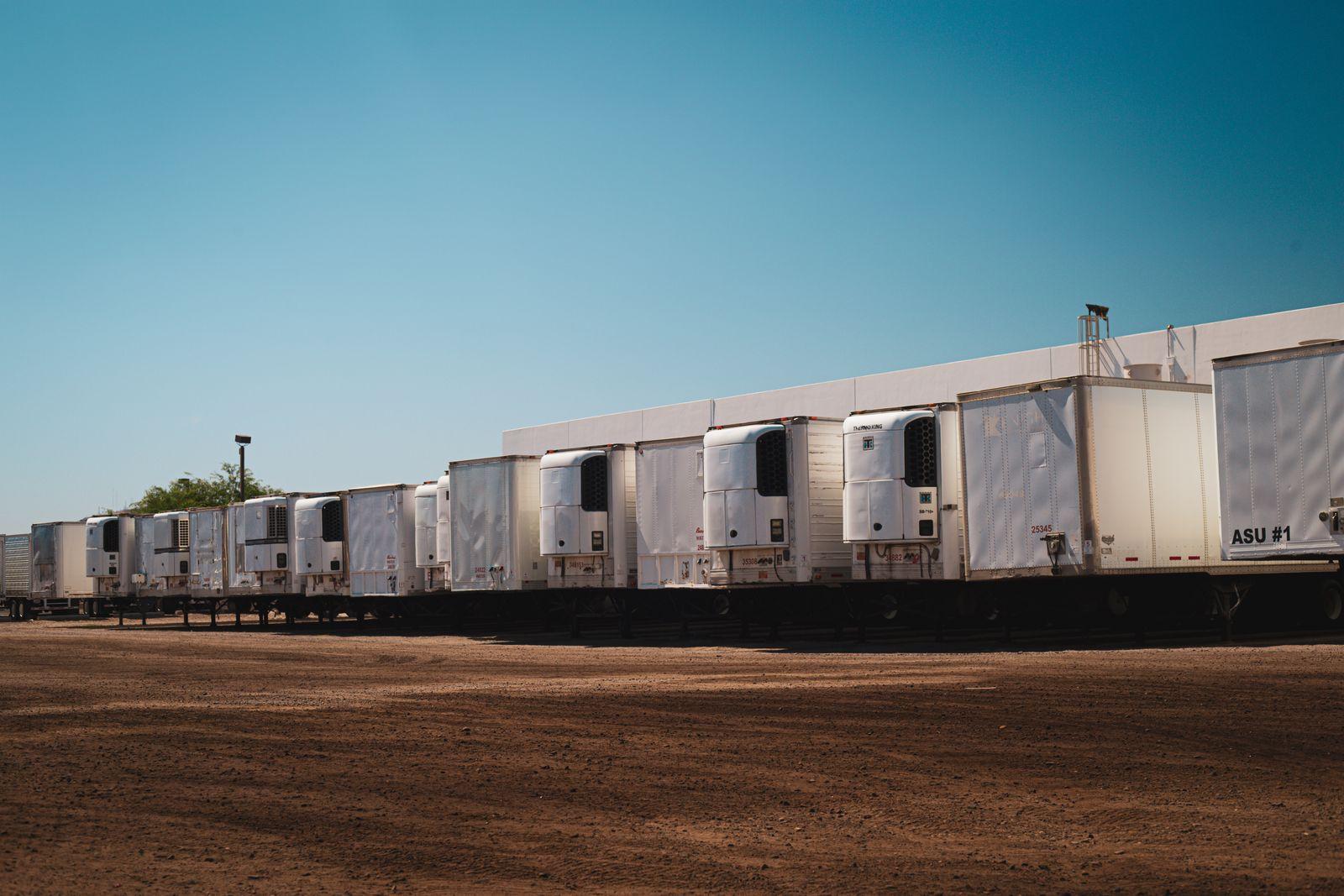
Reefer Trailer Financing: Terms, Thermo Hours, and Carrier Cash Flow
Finance temperature-controlled trailers from $10k to $1M+. Trailer Financing covers reefer collateral, unit hours, and advance rates. No credit check to inquire. Credit from 500 to 800+ FICO.
High-Mileage Trailer: Equipment Loan vs. Lease Structures
Compare loans and leases on older semi trailers. Trailer Financing explains advance rates, return conditions, and $10k–$1M+ options. No credit check to inquire.