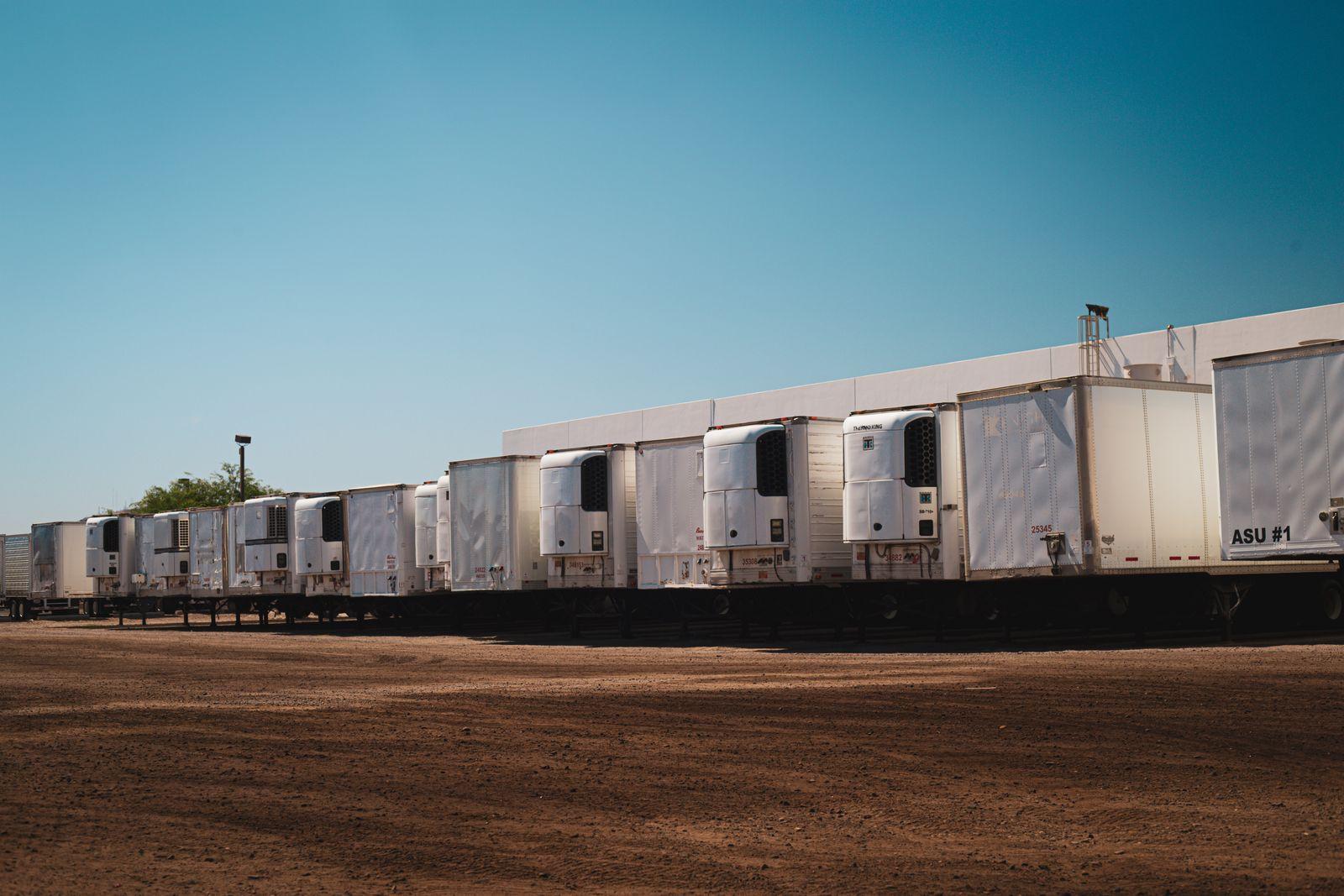
Reefer Trailer Financing: Terms, Thermo Hours, and Carrier Cash Flow
8 min readIllustrative guidance—not an offer
A reefer trailer is two assets bolted together: an insulated box and a refrigeration unit that has its own engine, its own wear pattern, and its own failure modes. Lenders price them that way, and carriers who understand the split negotiate cleaner terms and avoid surprises at funding. Whether you are adding capacity for grocery dedicated, protein, produce, or multi-temp regional work, this guide walks through how reefer trailer financing is evaluated, what the paperwork needs to show, and how to build a payment that survives the swings of produce season.
Why a reefer is underwritten differently than a dry van
A dry van has a floor, a roof, doors, and running gear. A reefer has all of that plus insulation, an air-delivery chute, a floor with channels, and a diesel-driven unit that must hold a set temperature for days at a time. Each of those pieces can fail independently, and several of them are expensive. A unit replacement can cost as much as a good used dry van, which is why lenders ask about it by name.
The practical effect is that a reefer file has two collateral questions instead of one. The first is the box: is the insulation intact, are there delamination bubbles on the sidewalls, is the floor channel clear of debris, and do the doors seal. The second is the unit: how many run hours does it carry, who serviced it, and has it been rebuilt. A strong answer to both lets the lender treat the whole trailer as marketable collateral. A weak answer on either one lowers the advance or adds conditions.
Reefers also carry operating exposure that dry vans do not. A temperature excursion on a pharma or produce load can lead to a rejected shipment and a cargo claim that dwarfs a monthly payment. Underwriters know this, so they pay attention to insurance structure and to whether the carrier has a program or lanes that justify the extra equipment cost.
Unit documentation lenders expect to see
The two dominant unit brands in North American trailer refrigeration are Thermo King and Carrier Transicold, and both leave a paper trail. Ask the seller for the unit model and serial number, a photo of the hour meters, and the last several service invoices. Most units show two hour readings: engine hours and electric standby hours, if equipped. Engine hours are the number that tracks wear on the diesel.
Look for the pattern, not only the total. A unit with 9,000 hours and a documented oil change at every interval tells a different story than a unit with 6,000 hours and no records at all. Dealer-performed maintenance is easier to verify than a shop invoice with no unit serial on it. If the unit has been rebuilt or had a major component replaced, get the invoice and the date, and note whether a warranty transferred.
Photos should show the unit from the front, the control display with an active reading, the fuel tank, and the belts and hoses if the seller will open the cowling. If the seller will not let you run a pretrip on the unit and hold temperature for a short test, treat that as information.
- Unit model, serial number, and manufacture date from the data plate.
- Engine and standby hour readings with a dated photo of the meter.
- Service invoices showing interval maintenance and any rebuild work.
- A short pulldown or hold-temperature test, if the seller allows one.
Matching the loan term to how the reefer earns
Reefer revenue is lumpy. Produce volumes peak in certain months, protein programs run steadily, and spot rates for temperature-controlled freight can swing hard. A term that works in March may feel tight in November. Before choosing a term, look at twelve months of settlement statements for the lane or customer, not the best quarter, and build the payment against the weaker half of the year.
Shorter terms reduce total interest and keep the balance below the trailer's market value, which lenders like. Longer terms lower the payment and give you room to absorb a slow month. For a used reefer in the $60,000 to $80,000 range, 48 to 60 months is a common band, and borrowers with strong deposits sometimes extend further. The right answer depends on how old the unit is and how many productive years it likely has left before the next big repair.
As an illustration only, a used reefer priced at $68,000 with 15 percent down leaves $57,800 financed. At an illustrative 10 percent over 60 months, the payment is near $1,228. Stretch the same balance to 72 months at the same illustrative rate and the payment drops to roughly $1,071, at the cost of more total interest. Formal numbers depend on the formal underwriting and the collateral.
New versus used reefer trailers on the secondary market
New reefers arrive with a manufacturer warranty on the box and a separate warranty from the unit maker. Those warranties are real value, especially in the first few years when a failed compressor or controller would otherwise be paid out of pocket. New units also meet the latest emissions standards for the refrigeration engine, which matters in jurisdictions that regulate trailer refrigeration units.
Used reefers range widely. Off-lease trailers from large carriers often have good maintenance records and uniform specs. Trailers from small fleets can be excellent or terrible. Auctions move large volumes, and prices reflect the risk that the buyer will find a problem after the hammer falls. A unit with high hours and a fresh rebuild may be a better buy than a lower-hour unit with deferred maintenance.
The financing question is the same in both cases: can the lender verify condition and value? A used reefer at a dealer with a written condition report and a dated hour reading is simpler than a private sale where the seller says the unit runs fine. If you are buying at auction, inspect before bidding, and ask for the unit to be started.
Building a lender-ready reefer file
Assemble the file before you request formal underwriting. Start with the seller quote that shows VIN, unit serial, year, and price. Add photos of the box interior including the floor, the front bulkhead, the air chute, and the door seals. Include exterior shots of all four corners, the roof, the tires, and the landing gear. Then add the unit photos and hour meter.
On your side, include authority and insurance documents, recent business bank statements, and anything that documents the freight: a dedicated contract, a rate confirmation history, or a broker letter. A reefer with a named customer behind it reads very differently from one bought on speculation.
A quick note on pricing: a reefer should be priced against comparable units of the same age, hours, and unit model, not against a dry van with a premium added. Pull three comparable listings and write them down. If the seller's price is meaningfully higher, expect the lender's valuation to come in lower, and plan for a larger down payment to cover the gap.
After funding: insurance, preventive maintenance, and refinance timing
Physical damage coverage naming the lienholder must be in force before funding. Beyond that, reefer operators should look at reefer breakdown coverage, which pays for spoilage when the unit fails, and at cargo limits that match the commodity mix. Underwriters may ask for confirmation of both before releasing funds, and a missing endorsement is one of the most common reasons a closing slips.
Preventive maintenance protects both the trailer and the loan. Follow the unit maker's interval for oil, filters, belts, and coolant, and keep each invoice in the trailer file. Those records support the resale value at the end of the term and make the next financing request easier to approve. Do a pretrip on the unit before every load, including a temperature pulldown check when the box is empty.
After eighteen to twenty-four months of on-time payments, some operators look at refinancing or adding another unit. A clean payment history, documented maintenance, and steady deposits give you leverage on the next request. If freight softens, tell the lender early. Proactive communication about a slow month leads to better options than silence followed by a missed payment.
Rate shopping, dealers, and auction lanes
Quote the same trailer from more than one seller when you can. Dealers vary on documentation fees, prep charges, and how much they will discount a unit that has been on the lot for months. Auctions can undercut dealers, but they remove your ability to inspect at leisure and shift risk to you.
Compare financing on equal terms. If one structure shows a lower payment, check whether it also uses a longer term, a lower down payment, or a balloon. A fair comparison holds price, down payment, and term constant and varies only the rate and fees. Ask about any prepayment terms in case you want to pay the note early after a good season.
When to walk away from a reefer deal
Walk away when the seller will not let you see the unit run, when the hour meter has been replaced and the reading cannot be verified, when the floor shows soft spots or heavy delamination, or when the title has an open lien that the seller cannot clear. Walk away when the price assumes a repair that has not been quoted.
Also walk away when the numbers only work in the best case. If a payment requires a premium load every week to break even, the trailer is too expensive for the freight you have. Another unit or a smaller purchase will serve you better.
Putting the file together with Trailer Financing
Start with an inquiry that lists the unit make, the hour reading, the seller, the price, and the freight the trailer will serve. There is no credit check to inquire. TrailerFinancing.org considers credit from 500 to 800+ FICO alongside deposits, experience, and the strength of the collateral, with amounts from $10,000 to $1,000,000 or more. If the structure fits, move to formal underwriting with the documents above and a clear plan for insurance and delivery.
Load manifest · NO. ARTICLE-REEF
Sign carrier quote request
No credit check to inquire. Opens in a new tab.
Start inquiryRelated guides
Reefer Unit Hours, Rebuilds, and Trailer Residual Value in Loan Pricing
See how refrigeration hours affect trailer loan terms and residuals. Trailer Financing finances reefers from $10k to $1M+. No credit check to inquire.
Dry Van or Flatbed for Your First Trailer? A Financing Decision Framework
Choose between dry van and flatbed trailer financing with clear cash-flow math. Trailer Financing helps first-time buyers from $10k to $1M+. No credit check to inquire.

Lender Photo Checklist for Semi Trailer Financing Approvals
Speed trailer loan approvals with the photo set underwriters expect. Dry vans, reefers, dumps, and tankers—from $10k to $1M+. No credit check to inquire.