Reefer Unit Hours, Rebuilds, and Trailer Residual Value in Loan Pricing
7 min readIllustrative guidance—not an offer
Ask three reefer owners how much a used trailer is worth and you will hear three answers, mostly because each is thinking about a different number on the refrigeration unit's hour meter. Unit hours, rebuild history, and box condition combine to set a trailer's residual value, and that residual is what a lender leans on when deciding how much to advance and for how long. This article explains how hours are read, why a rebuild can help or hurt, and how to translate all of it into loan terms that do not leave you owing more than the trailer is worth.
Reading the hour meter correctly
Most trailer refrigeration units carry at least one hour meter, and many show two. Engine hours count the time the diesel engine has run. Electric standby hours, on units with that feature, count time on shore power. The engine number tracks mechanical wear, while the standby number tells you how often the unit was plugged in at a terminal or yard.
Look for a dated photo of the meter display rather than a number typed into a listing. Some displays cycle through screens, and the figure labeled total hours may differ from the figure labeled maintenance hours, which resets at service. Make sure the seller is quoting the total. If a controller has been replaced, the displayed hours may restart, so ask whether the unit has ever had a new controller installed and whether records exist of the earlier reading.
Hours alone do not make a good or bad unit. A trailer that ran steady lanes at moderate load on a strict maintenance schedule may outlast one with half the hours that sat dirty in a yard. Use the meter as a starting point, then verify with service records.
How hours translate to residual value
Residual value is what the trailer will likely sell for at a future date. For a reefer, the box and the unit age on different clocks. The box may be sound at fifteen years while the unit has been through one or two rebuilds. Buyers on the secondary market tend to discount heavily for units above certain hour thresholds, because major service intervals begin to come due.
Lenders do not publish a formula, but they watch for the same pattern buyers do. Units with fewer hours, documented dealer service, and no recent repairs support a higher advance and a longer term. Units with high hours or incomplete records get shorter terms or larger down payments because the lender worries about the trailer's ability to hold value as the note amortizes.
The takeaway for the borrower is to avoid structures where the balance falls more slowly than the value. If a unit near the end of its useful hours is financed over seven years, it can end up worth less than the remaining balance in the middle of the term.
Rebuilds, replacements, and what they signal
A rebuilt engine or a replaced major component is not a warning sign by itself. In fact, a documented rebuild by a qualified dealer can reset the useful life of the unit and make a high-hour trailer a bargain. The key word is documented. A rebuild invoice that lists parts, labor, date, and hours at the time of service is evidence. A seller's statement that the engine was rebuilt a few years ago is not.
Ask what was done and whether any warranty remains. Ask whether the reading on the meter reflects hours before or after the rebuild, because some shops reset counters and some do not. If the controller, compressor, or evaporator was replaced, ask for that invoice too.
Be cautious about trailers that have had several unrelated repairs in a short time. That pattern may point to a deeper problem such as an electrical fault or chronic overheating that has not been solved.
- Rebuild invoice listing parts, labor, date, and hour reading at service.
- Warranty terms for the rebuild or replacement, and whether they transfer.
- Confirmation of whether the meter was reset or the controller replaced.
- Records of any repeated repairs in the past twelve months.
Box condition as the other half of the value
A trailer with a perfect unit and a damaged box is not a good reefer. Insulation absorbs water when the skin is punctured, which cuts efficiency and adds weight. Delamination appears as bulges or waves on the sidewalls. Floor channels clogged with debris starve the load of airflow. Rear doors that do not seal leak cold air and increase fuel burn.
During inspection, step inside and shine a light along the walls and ceiling, looking for patches, rust at the seams, and moisture stains. Check the floor for soft spots. Open and close the doors several times. Pay attention to the bulkhead and the chute, which can crack and misdirect air.
Take photographs of anything that concerns you. Even if the trailer is acceptable, documenting small flaws sets expectations and keeps the lender's valuation realistic.
Setting the loan term against the unit's remaining life
A practical way to think about term is to estimate how many productive years the unit has before a major service or replacement is likely, then keep the term at or below that estimate. If a unit has ten years of hours left at the pace you intend to run, a sixty-month note is easy to justify. If it is near a major overhaul, a shorter term or larger down payment protects both sides.
A larger down payment is often more helpful than a lower rate for older reefers, because it brings the balance closer to value from day one. It also lowers the payment, which cushions slow months.
If the seller's price is high relative to comparable units, expect the valuation to come in below the sale price. The gap becomes your problem at closing. Pull comparable listings before negotiating, and use them in the discussion.
Estimating a fair price before you apply
Start with three comparable listings of the same age, unit make, and approximate hours. Adjust for differences in box condition, tire age, and recent service. Treat asking prices as ceilings, not as market values, since many listings sit for months before selling.
Then adjust for the deal itself. A dealer offering a warranty and a documented inspection justifies a higher price than a private seller offering the trailer as is. If you are buying at auction, subtract a margin for unknowns.
A price that falls within the range of comparables, with documentation that supports the condition, will usually fit what a lender expects to see. A price well above the range invites a lower valuation and a harder conversation.
What the lender wants to see at the end
At closing, the lender wants evidence that the trailer's value supports the balance, that insurance is in place, and that title will transfer cleanly. For a reefer, that evidence includes the unit serial, hour photo, service records, and box photos. Gather these in one folder before applying.
After funding, keep adding to the folder. Every service invoice, every inspection report, and every photo after a repair builds a record that supports resale or refinancing later.
Emissions rules and the unit's future marketability
Regulation can change what a unit is worth. Some jurisdictions restrict older trailer refrigeration engines or require registration and compliance labels for units operating within their borders. A trailer that is legal everywhere today may become harder to sell if its engine falls behind the rules in a major market.
Ask the seller about the unit's engine certification and where it has operated. If you plan to haul into regions with strict rules, confirm that the unit meets them before you buy. A reefer that cannot enter a key market has a smaller pool of future buyers, and that shows up in residual value and in what a lender is willing to advance.
Putting the file together with Trailer Financing
Begin with an inquiry that lists the unit make, hours, service history, seller, and price. There is no credit check to inquire. TrailerFinancing.org considers credit from 500 to 800+ FICO alongside deposits, equipment condition, and freight plans, with amounts from $10,000 to $1,000,000 or more. Share your hour photos and service records early to speed the review.
Load manifest · NO. ARTICLE-REEF
Sign carrier quote request
No credit check to inquire. Opens in a new tab.
Start inquiryRelated guides
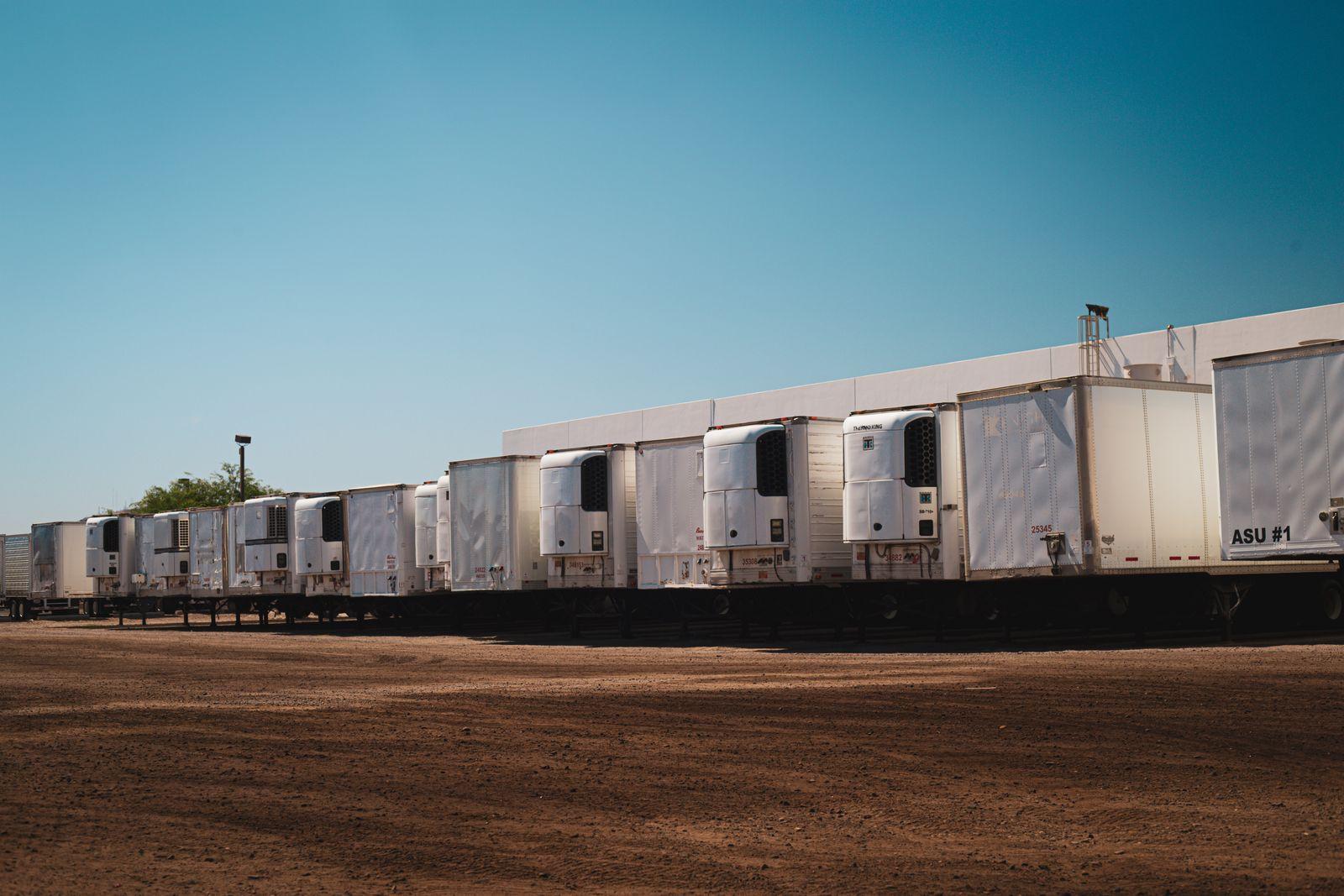
Reefer Trailer Financing: Terms, Thermo Hours, and Carrier Cash Flow
Finance temperature-controlled trailers from $10k to $1M+. Trailer Financing covers reefer collateral, unit hours, and advance rates. No credit check to inquire. Credit from 500 to 800+ FICO.
High-Mileage Trailer: Equipment Loan vs. Lease Structures
Compare loans and leases on older semi trailers. Trailer Financing explains advance rates, return conditions, and $10k–$1M+ options. No credit check to inquire.
Fleet Trailer Financing: Staggered Renewals and Batch Purchases
Plan fleet trailer renewals without stacking debt service. Batch financing from $10k to $1M+. Trailer Financing helps carriers stagger terms. No credit check to inquire.